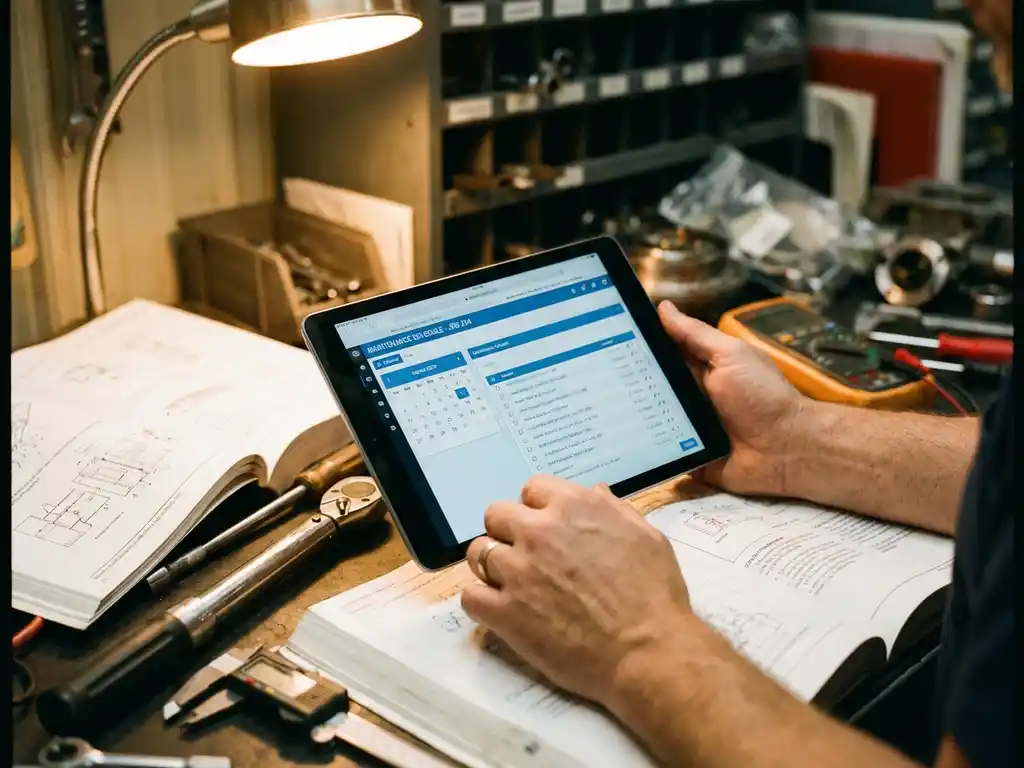
Maintenance management features in ERP software should include automated scheduling, work order management, equipment tracking, and comprehensive maintenance history documentation. Installation companies need these capabilities to manage preventive maintenance schedules, track asset performance, and ensure compliance with manufacturer warranties. Modern ERP systems like OpusFlow integrate these features with project management and customer communication tools to streamline operations.
What are the core maintenance management features every installer needs in ERP software?
Essential maintenance management features include preventive maintenance scheduling, work order management, equipment tracking, and detailed maintenance history records. These capabilities enable installation companies to proactively maintain solar panels, heat pumps, and other sustainable energy systems while reducing emergency callouts and extending equipment lifespan.
Work order management allows installers to create, assign, and track maintenance tasks efficiently. The system should automatically generate work orders based on scheduled intervals or equipment alerts, assign appropriate technicians, and track completion status. This ensures that nothing falls through the cracks and maintains accountability across your maintenance team.
Equipment tracking functionality maintains comprehensive records of every installed system, including location, specifications, warranty information, and maintenance requirements. This centralised database becomes invaluable when managing hundreds or thousands of installations across multiple customers and locations.
Maintenance history documentation creates a complete audit trail of all service activities. This includes parts used, labour hours, issues identified, and corrective actions taken. Such detailed records are essential for warranty claims, compliance reporting, and identifying recurring problems that might indicate broader equipment or installation issues.
How does automated maintenance scheduling work in modern ERP systems?
Automated maintenance scheduling uses time-based and usage-based triggers to generate maintenance tasks without manual intervention. The system monitors equipment age, operating hours, or calendar dates to automatically create work orders when maintenance becomes due. This eliminates the risk of missed maintenance schedules that could void warranties or lead to equipment failures.
Time-based triggers work particularly well for solar panel cleaning schedules, heat pump filter replacements, and annual system inspections. The ERP system calculates maintenance due dates based on installation dates and manufacturer recommendations, then creates work orders at appropriate intervals.
Usage-based triggers monitor equipment performance data to schedule maintenance based on actual operating conditions rather than fixed intervals. For example, a heat pump running in harsh conditions might require more frequent maintenance than one operating in ideal conditions.
Calendar integration ensures maintenance schedules align with technician availability and customer preferences. OpusFlow automatically assigns tasks to qualified technicians based on location, skill set, and current workload. Notification systems alert both technicians and customers about upcoming maintenance visits, reducing no-shows and improving customer satisfaction.
What’s the difference between reactive and preventive maintenance management in ERP?
Reactive maintenance addresses problems after they occur, while preventive maintenance follows scheduled intervals to prevent issues before they happen. ERP systems support both approaches, but preventive maintenance typically delivers better results for installation companies managing long-term customer relationships and equipment warranties.
Reactive maintenance management in ERP focuses on rapid response capabilities. When customers report equipment problems, the system creates emergency work orders, identifies available technicians, and tracks response times. This approach works for unexpected failures but often results in higher costs, customer dissatisfaction, and potential warranty issues.
Preventive maintenance management schedules regular service visits based on manufacturer recommendations and historical data. The ERP system tracks maintenance intervals, automatically generates work orders, and ensures consistent service delivery. This approach reduces emergency callouts, extends equipment life, and maintains warranty compliance.
OpusFlow combines both strategies effectively. Preventive maintenance reduces the frequency of reactive situations, while robust reactive capabilities handle unexpected issues professionally. The system tracks performance metrics for both approaches, helping installers optimise their maintenance strategies over time.
Why do installation companies struggle with maintenance management without proper ERP features?
Installation companies without integrated maintenance management face missed schedules, poor equipment tracking, and inefficient resource allocation. These challenges often result in warranty voids, customer complaints, and increased operational costs that significantly impact profitability and business reputation.
Missed maintenance schedules are the most common problem. Without automated reminders and scheduling, maintenance tasks often get overlooked during busy periods. This can void equipment warranties, reduce system performance, and create liability issues for installation companies.
Poor equipment tracking makes it difficult to maintain accurate records of installed systems and their maintenance requirements. Companies using spreadsheets or paper records frequently lose track of equipment locations, specifications, and service history. This creates confusion during maintenance visits and makes it impossible to identify patterns or recurring issues.
Inefficient resource allocation occurs when companies cannot match technician skills and availability with maintenance requirements. Without proper scheduling tools, companies often send inappropriate technicians to jobs or fail to optimise travel routes, increasing costs and reducing productivity.
Customer communication gaps develop when maintenance scheduling and customer notifications operate separately from other business systems. Customers receive inconsistent information about maintenance visits, leading to missed appointments and damaged relationships.
How should installers evaluate maintenance management capabilities when choosing ERP software?
Installers should prioritise integration capabilities, mobile accessibility, and scalability when evaluating maintenance management features in ERP software. The system must integrate seamlessly with existing project management and customer communication tools while providing field technicians with mobile access to work orders and equipment information.
Integration capabilities ensure maintenance management works smoothly with other business functions. OpusFlow connects maintenance schedules with customer records, equipment databases, and invoicing systems. This eliminates duplicate data entry and ensures consistent information across all business operations.
Mobile accessibility allows field technicians to access work orders, update job status, and record maintenance details directly from installation sites. This real-time data capture improves accuracy and reduces administrative overhead back at the office.
Reporting functions should provide insights into maintenance performance, equipment reliability, and technician productivity. Look for systems that can generate warranty compliance reports, maintenance cost analysis, and customer satisfaction metrics.
Scalability becomes crucial as installation businesses grow. The maintenance management system should handle increasing numbers of installations, customers, and technicians without performance degradation. Consider how the system will cope with your projected growth over the next three to five years.
Effective maintenance management features transform how sustainable installation companies operate, reducing costs while improving customer satisfaction and equipment performance. OpusFlow provides the automation for routine scheduling tasks, maintains comprehensive equipment records, and delivers the insights needed to optimise maintenance strategies for long-term business success.
Related Articles
- What is the difference between a single-phase and three-phase battery installation?
- How do you create accurate quotes for solar and heat pump installations?
- How ERP software improves cash flow management for installation businesses
- How does ERP software help installers manage customer complaints efficiently?
- ERP and accounting software integration: What options exist for installers?