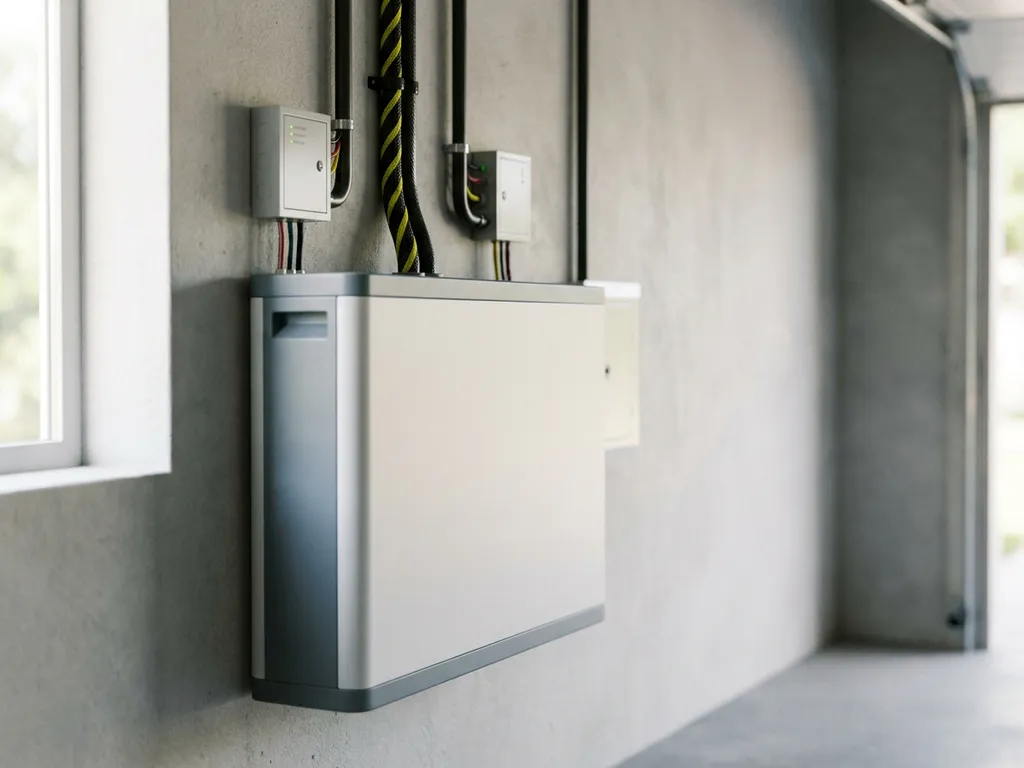
Choosing the right battery configuration is one of those decisions that looks straightforward on the surface but carries real technical weight. Whether you are planning a residential solar-plus-storage system or speccing out a commercial energy solution, the choice between single-phase and three-phase battery installation affects everything from how power flows through the building to how well the system performs under load. Getting it wrong can mean inefficiencies, unnecessary costs, or a system that simply does not deliver what was promised.
This article breaks down the core differences between single-phase and three-phase battery setups, when each configuration makes sense, and what installation professionals need to watch out for when advising clients or designing systems. For those working with a solar battery calculator to estimate capacity and runtime, understanding the underlying phase configuration is essential for accurate results.
How single-phase and three-phase systems distribute power
Single-phase systems deliver electricity through one alternating current (AC) wave, using two wires: one live and one neutral. Three-phase systems use three separate AC waves, each offset by 120 degrees, carried across three live conductors. This structural difference fundamentally changes how energy is distributed across a building or facility.
In a single-phase setup, all connected loads draw from the same supply. In a three-phase setup, loads are distributed across three separate phases, which balances demand more evenly and reduces strain on any single conductor. For battery systems, this distinction matters because the battery must either feed into one phase or manage energy flow across all three, depending on how the system is designed and configured.
Key technical differences that affect battery performance
The phase architecture of a system has a direct impact on how a battery charges, discharges, and responds to grid fluctuations. Single-phase batteries are simpler by design. They connect to one phase and manage energy on that circuit alone. Three-phase batteries, by contrast, need to either operate with a three-phase inverter or use multiple single-phase units in a coordinated setup to cover all three phases.
One of the most important technical considerations is phase imbalance. In a three-phase building where a single-phase battery is installed, the battery only compensates for energy on one phase. If the heaviest loads sit on the other two phases, the battery’s contribution to self-consumption or backup power is significantly reduced. A properly configured three-phase battery system avoids this by distributing charge and discharge across all phases, improving overall efficiency and battery utilization. For professionals using a battery capacity calculator or battery runtime calculator, the phase setup directly influences the accuracy of those calculations.
Which installation is right for residential vs. commercial use
Residential properties in most European markets are connected to the grid via a single-phase supply, making single-phase battery installations the standard choice for homes. These systems are simpler to install, require less complex wiring, and are well-suited to the load profiles typical of residential use. For a household with a rooftop solar array and moderate energy consumption, a single-phase battery delivers reliable performance without over-engineering the solution.
Commercial and industrial properties are a different story. Larger buildings, manufacturing facilities, EV charging infrastructure, and commercial HVAC systems almost always operate on three-phase supplies. In these environments, a three-phase battery installation is not just preferable, it is necessary for the system to function correctly. Attempting to manage a three-phase commercial load with a single-phase battery leads to imbalance issues, reduced efficiency, and potential grid compliance problems. As the market for commercial energy storage grows in 2026, installation companies increasingly need to be fluent in three-phase system design to serve larger clients effectively.
Cost and installation complexity compared
Single-phase battery systems are generally less expensive to purchase and install. The hardware is simpler, the inverter requirements are lower, and the installation time is shorter. For residential projects or small commercial sites with a single-phase grid connection, this makes them the cost-effective default.
Three-phase systems carry higher upfront costs. The inverters are more complex, the cabling requirements are greater, and the commissioning process takes longer. However, for sites that genuinely require three-phase operation, the cost comparison is somewhat misleading. Installing a single-phase battery on a three-phase site to save money often results in a system that underperforms, which can damage client relationships and create costly remediation work down the line. The real cost comparison is not single-phase versus three-phase hardware in isolation but rather the right solution versus the wrong one.
Common mistakes when choosing a battery configuration
One of the most frequent errors installation professionals encounter is speccing a single-phase battery for a three-phase site without fully assessing the load distribution. It is easy to default to a simpler, cheaper solution, but if the client’s energy-intensive loads sit on phases the battery cannot reach, the system will underdeliver on its promised return.
Another common mistake is failing to account for future load growth. A small business that currently operates on a single-phase connection may be planning to add EV charging stations or expand its premises, both of which could trigger a three-phase grid upgrade. Designing a battery system without that forward-looking context can mean the installation becomes obsolete sooner than expected. Additionally, some installers overlook the importance of using an accurate solar and battery calculator that accounts for phase configuration when estimating battery duration and sizing. A battery usage calculator that ignores phase imbalance will produce optimistic numbers that do not reflect real-world performance.
Finally, it is worth noting that not all battery products support three-phase operation natively. Some manufacturers offer single-phase units that can be stacked to achieve three-phase coverage, while others offer dedicated three-phase inverter-battery combinations. Understanding the product options available, and matching them correctly to the site requirements, is a core competency for any installation team working in the energy storage space.
How OpusFlow supports battery installation projects
Managing battery installation projects across residential and commercial sites involves more than technical know-how. It requires coordinating sales, planning, purchasing, and aftercare in a way that keeps every job on track and on budget. That is exactly where we come in.
OpusFlow is the all-in-one ERP platform built specifically for sustainable installation companies. For businesses working with battery storage, solar, heat pumps, and EV charging, our platform provides the tools to manage the full project lifecycle without switching between disconnected systems. Here is what that looks like in practice:
- Integrated battery calculator: Use our built-in solar battery calculator to generate accurate capacity and runtime estimates based on real site parameters, directly within the quoting workflow.
- Calculation and quotation module: Build detailed, professional quotes for single-phase and three-phase battery projects, including accurate job costing so margins are protected from the start.
- Planning and project management: Coordinate installation crews, track project milestones, and manage scheduling across multiple jobs simultaneously.
- Purchasing and stock management: Keep battery inventory, inverters, and components aligned with project demand to avoid delays and over-ordering.
- Workflow automations powered by Toni: Our AI agent Toni automates repetitive steps across the sales and operations pipeline, from task creation when deals progress to automated follow-ups after installation.
For installation companies looking to scale their battery and solar project operations without adding overhead, OpusFlow provides the operational backbone to do it efficiently. Get in touch with our team to see how the platform fits your business.
Related Articles
- What data do you need to collect during a site visit to size a battery correctly?
- How much battery storage does an average household actually need?
- Should installation companies invest in AI for ERP in 2026?
- How can installation companies reduce employee turnover with better tools?
- How to reduce admin work in a growing installation business?