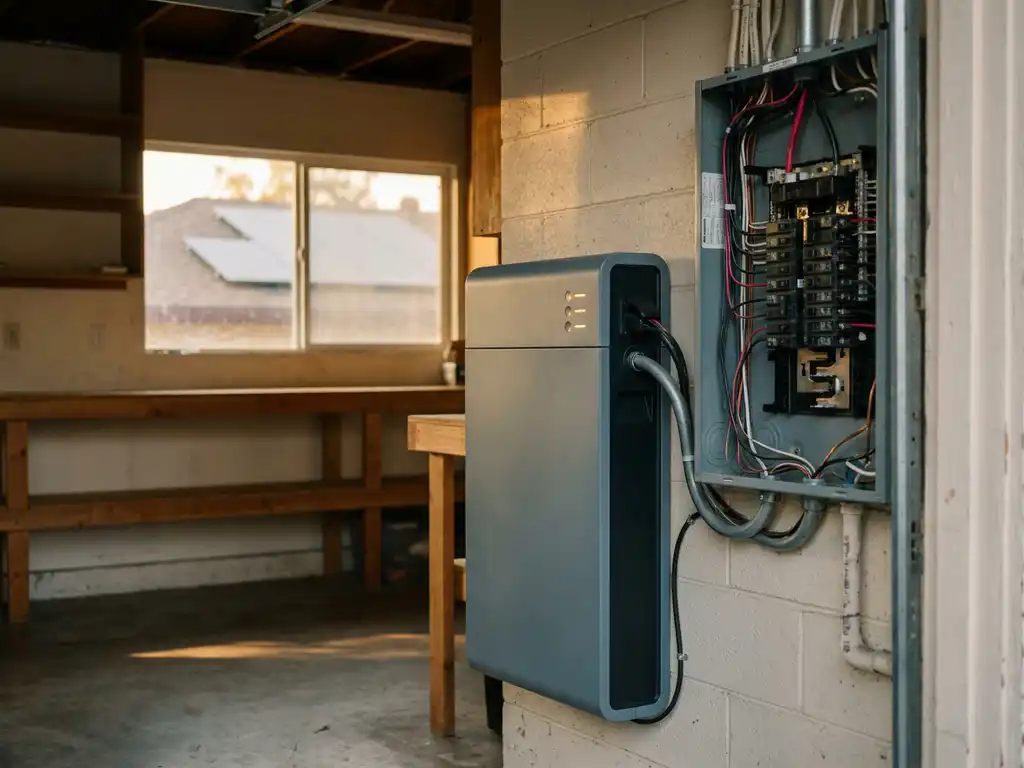
For installation companies working with home batteries, one of the most overlooked technical factors in the pre-sales phase is the customer’s grid connection type. Whether a property runs on a single-phase or three-phase connection directly determines which battery systems are compatible, how they can be configured, and what limitations the installation team will face on site. Getting this wrong early in the process leads to costly rework, delayed projects, and frustrated customers. Understanding the relationship between grid connection type and battery compatibility is essential knowledge for any professional operating in the battery storage market in 2026.
This article walks through the core technical distinctions, the practical constraints they create, and what installation businesses should be doing before they ever recommend a battery system to a client. It also covers how modern ERP tooling, including purpose-built calculators, can help teams manage these projects more accurately from the very first customer interaction.
Single-phase vs. three-phase: the key differences
The grid connection type defines how electrical power is delivered to a building. A single-phase connection uses one live conductor and is most common in residential properties and smaller commercial buildings. A three-phase connection uses three live conductors and delivers power in a rotating cycle, making it standard in larger commercial and industrial premises where high-load equipment is used.
From a power delivery standpoint, three-phase connections handle significantly higher loads and distribute them more evenly across the electrical system. Single-phase connections are simpler but more limited in terms of peak power capacity. For battery installations, this distinction matters because batteries must be matched to the phase configuration of the building they serve. A battery designed for single-phase operation cannot simply be deployed in a three-phase environment without additional engineering considerations, and vice versa.
How grid connection type limits battery options
The grid connection type acts as a hard constraint on the battery systems that can be installed. Single-phase batteries are widely available, typically more affordable, and straightforward to install in standard residential settings. However, they can only charge and discharge on one phase, which means they are unable to balance loads across a three-phase system.
Three-phase battery systems, or single-phase batteries configured in a three-unit setup to cover all phases, are required for three-phase properties. Installing a single-phase battery in a three-phase building without proper configuration will result in poor performance, unbalanced loads, and in some cases, grid compliance issues. The available product range narrows considerably once the phase requirement is confirmed, and lead times for three-phase compatible systems can be longer, which affects project scheduling. Using a solar battery calculator during the quoting phase helps teams model the right system size and configuration before committing to a product recommendation.
Common installation challenges by connection type
Each connection type brings its own set of on-site complications. Knowing these in advance allows installation teams to plan more effectively and avoid the kind of surprises that push projects over budget.
Single-phase challenges
Single-phase installations are generally simpler, but they can run into problems when the existing wiring or consumer unit is outdated. Older properties may not have the capacity to support a battery system without upgrades to the electrical infrastructure. Additionally, if solar panels are already installed on a single-phase connection, the battery must be correctly sized to avoid export limitations imposed by the grid operator.
Three-phase challenges
Three-phase installations require more careful load analysis. If the battery only covers one phase, the other two phases continue to draw from the grid, reducing the overall effectiveness of the system. Installers also need to verify whether the inverter and battery combination supports three-phase operation natively, or whether a workaround is needed. Mismatched equipment is one of the most common reasons installation projects go over budget in this category.
What to check before recommending a battery system
Before any product recommendation is made, a structured pre-assessment process should be in place. Skipping steps here is one of the most common reasons installation companies lose money on jobs that seemed straightforward at the quoting stage.
- Confirm the grid connection type from the utility provider or the customer’s energy contract documentation, not just a visual inspection.
- Assess the existing electrical installation for capacity, age, and compliance with current standards.
- Review existing solar generation data if panels are already installed, including inverter type and phase configuration.
- Check grid operator requirements for battery export and import limitations in the relevant region.
- Model the battery runtime and capacity against actual consumption patterns using a battery capacity calculator or battery runtime calculator to validate the system specification.
- Confirm product availability and lead times for the shortlisted battery systems before issuing a quote.
This checklist approach reduces the risk of technical mismatches and gives sales teams the information they need to quote accurately. It also creates a documented record that supports the planning and installation teams once the project moves forward.
How ERP software streamlines battery project management
Managing battery installation projects efficiently requires more than good technical knowledge. The handoff between sales, planning, procurement, and field teams is where many installation businesses lose time and money. Without a connected system, critical information about grid connection type, product specifications, and customer requirements often gets lost between departments.
Purpose-built project tracking software for installation businesses allows teams to capture technical assessment data at the sales stage and carry it through the entire project lifecycle. When quoting and invoicing software is integrated with planning and stock management, the business can respond faster, reduce errors in scheduling, and maintain tighter control over job costs. For companies managing multiple installation crews across different sites, this kind of centralised visibility is what separates scalable operations from ones that hit a ceiling.
How OpusFlow helps with battery installation project management
OpusFlow is built specifically for sustainable installation companies, and battery projects are a core use case the platform is designed to support. Rather than managing technical assessments, quotes, planning, and aftercare across disconnected tools, OpusFlow brings the entire workflow into one place. Here is what that looks like in practice:
- Integrated battery calculator: The built-in solar and battery calculator allows sales teams to model battery capacity, runtime, and solar compatibility before a quote is issued, reducing the risk of undersized or incompatible system recommendations.
- Connected sales and planning: When a deal moves through the pipeline, tasks and planning items are created automatically, ensuring the installation team receives accurate project information without manual handoffs.
- Stock and procurement visibility: Product availability and lead times are tracked in real time, so teams know before quoting whether the right battery system is in stock or needs to be ordered.
- Project and field management: Crew scheduling, site documentation, and job costing are managed centrally, giving operations managers full visibility across multiple active projects.
- Workflow automation with Toni: OpusFlow’s AI agent Toni supports teams by automating repetitive steps across the project lifecycle, from follow-up tasks to documentation, freeing up time for higher-value work.
For installation businesses looking to grow without adding proportional overhead, OpusFlow provides the operational infrastructure to make that possible. Get in touch with our team to see how OpusFlow fits your battery installation workflow.