Managing installation projects from a distance presents unique challenges for sustainable installation companies. Whether you’re overseeing solar panel installations, heat pump retrofits, or EV charging station deployments, ensuring quality work without being physically present requires strategic planning and the right systems in place. The key lies in establishing robust remote job monitoring processes that provide visibility into every aspect of project execution.
Modern installation companies are increasingly relying on digital solutions to maintain quality control off-site while keeping projects on schedule and within budget. By implementing comprehensive tracking systems, clear communication protocols, and structured verification processes, project managers can maintain the same level of oversight they would have on-site, often with even greater efficiency and documentation.
Digital Tools That Track Work Progress
Real-time progress tracking forms the foundation of effective remote project management. Digital project tracking systems provide instant visibility into installation milestones, allowing project managers to monitor work completion as it happens rather than waiting for end-of-day reports.
Modern project management platforms integrate photo documentation, time tracking, and task completion status into unified dashboards. Field teams can upload progress photos with timestamps and GPS coordinates, creating an audit trail that documents each phase of the installation. This visual documentation proves invaluable for quality verification and client communication.
Mobile applications designed for fieldwork enable technicians to update project status in real time, log materials used, and flag potential issues before they become costly problems. These tools often include offline functionality, ensuring updates continue even in areas with poor connectivity. When teams regain network access, all data synchronizes automatically, maintaining continuous project visibility.
Integration capabilities between different systems eliminate data silos that often plague remote project management. When planning software connects with inventory management, time tracking, and customer communication tools, project managers gain comprehensive oversight without switching between multiple platforms.
Setting Clear Quality Standards Before Work Begins
Establishing detailed quality standards before fieldwork commences eliminates ambiguity and provides measurable benchmarks for project success. These standards must be specific, measurable, and clearly communicated to all team members involved in the installation process.
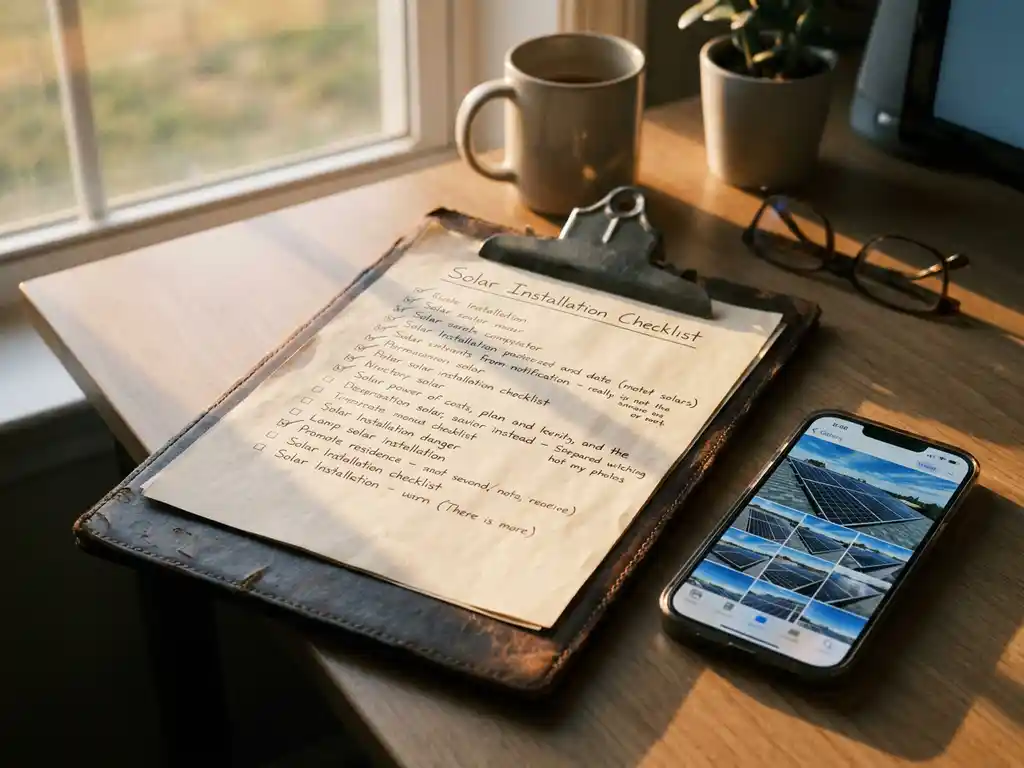
Comprehensive project documentation should include technical specifications, safety requirements, and quality checkpoints for each installation phase. Creating standardized checklists ensures consistent execution across different teams and projects. These checklists should cover everything from initial site preparation to final system testing and commissioning.
Pre-project planning sessions with field teams establish expectations and identify potential challenges before they impact installation quality. During these sessions, project managers can review site-specific requirements, discuss unusual conditions, and ensure teams have the necessary tools and materials. This proactive approach prevents quality issues that stem from inadequate preparation.
Digital work instructions with visual aids help maintain consistency across installations. Instead of relying on verbal instructions that can be misinterpreted, teams receive detailed guides with photos, diagrams, and step-by-step procedures. These resources remain accessible throughout the installation, serving as reference materials when questions arise.
Communication Systems That Keep You Connected
Effective communication systems bridge the gap between remote oversight and on-site execution. Multiple communication channels ensure project managers can reach field teams through their preferred methods while maintaining documented records of all project-related discussions.
Structured daily check-ins provide regular touchpoints without micromanaging field operations. These brief communications focus on progress updates, obstacle identification, and resource needs. Scheduling check-ins at consistent times helps teams plan their day around these important communications.
Instant messaging platforms designed for project teams enable quick problem-solving and decision-making. When technicians encounter unexpected conditions, they can immediately share photos and descriptions with project managers, who can provide guidance without delaying work. This real-time support prevents minor issues from escalating into major problems.
Video conferencing capabilities allow for virtual site visits when complex issues require detailed discussion. Project managers can conduct remote inspections, provide technical guidance, and verify work quality through high-definition video calls. This technology proves particularly valuable for troubleshooting complex installations or training new team members.
Automated notification systems keep stakeholders informed about critical project milestones and potential delays. Rather than manually updating multiple parties, these systems send targeted communications based on project status changes, ensuring everyone stays informed without overwhelming them with unnecessary information.
Post-Completion Verification Methods
Thorough verification processes confirm installation quality and system performance before project closure. These methods provide objective evidence that work meets specifications and functions correctly, protecting both the installation company and the client.
Comprehensive testing protocols verify system functionality and performance against design specifications. For solar installations, this includes electrical testing, system commissioning, and performance verification. Heat pump installations require refrigerant pressure checks, airflow measurements, and efficiency testing. Documenting these tests creates records that support warranty claims and demonstrate professional standards.
Digital inspection checklists ensure consistent verification across all projects. These checklists guide technicians through systematic reviews of installation quality, safety compliance, and system functionality. Completed checklists with photos and measurements provide comprehensive documentation of installation quality.
Third-party verification services offer independent quality assessment for high-value or complex installations. These services provide an unbiased evaluation of installation quality and can identify issues that internal teams might overlook. While adding cost, independent verification can prevent expensive callbacks and enhance customer confidence.
Customer acceptance procedures formalize project completion and transfer responsibility to the client. This process includes system demonstration, documentation handover, and formal sign-off confirming that work meets agreed specifications. Clear acceptance procedures protect installation companies from future disputes while ensuring customers understand their new systems.
How OpusFlow Enhances Remote Project Oversight
OpusFlow’s integrated project management system addresses the challenges of remote job monitoring through comprehensive digital tools that centralize all project information in one platform. Our solution provides real-time project tracking, automated workflow management, and seamless communication systems specifically designed for sustainable installation companies.
Key features that support remote project oversight include:
- Real-time project dashboards with progress tracking and milestone monitoring
- Automated task assignment and notification systems that keep teams aligned
- Mobile-friendly interfaces for field teams to update project status and upload documentation
- Integrated communication tools that maintain project continuity
- AI-powered insights through Toni that provide instant answers about project status and performance
- Comprehensive reporting capabilities for quality verification and client communication
By consolidating project management, communication, and quality control into a single platform, OpusFlow eliminates the complexity of managing multiple systems while providing the visibility needed for successful remote project oversight. Contact our team to learn how OpusFlow can transform your remote project management capabilities and enhance installation quality across all your projects.
Related Articles
- What is recurring billing and why does it matter for service businesses?
- What is SEPA Direct Debit and how does it work?
- What maintenance does a home battery require after installation?
- Which forms and checklists should installation companies digitise first?
- What is ERP software for sustainable installation companies?