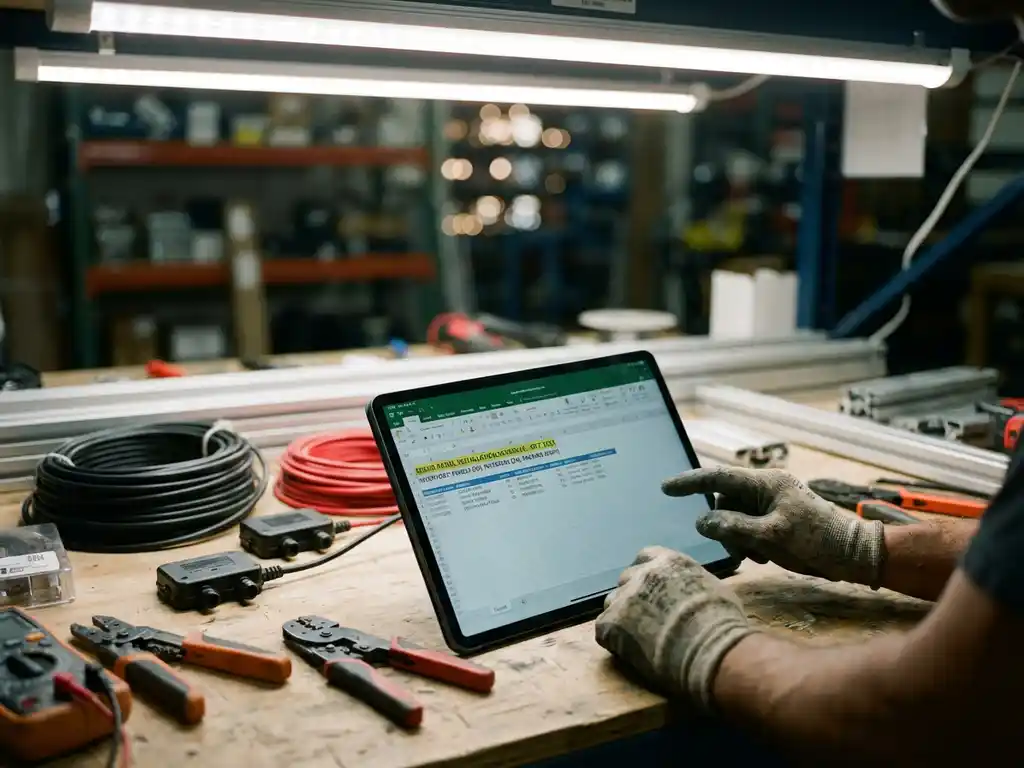
ERP software for solar installers provides comprehensive project management from the initial customer inquiry through final commissioning, integrating specialized tools such as PV design calculators, permit tracking, and equipment inventory management. Unlike generic business software, solar ERP systems address industry-specific challenges, including complex multi-stage installations, regulatory compliance requirements, and renewable energy equipment specifications that standard tools cannot handle effectively.
What makes ERP software specifically valuable for solar panel installation companies?
Solar ERP software addresses unique operational complexities that distinguish renewable energy installations from traditional construction projects. These systems manage multi-stage installation processes that span weeks or months, from the initial site assessment and permit applications through equipment procurement, installation scheduling, and performance commissioning.
The regulatory environment surrounding solar installations creates substantial compliance requirements that generic business software cannot track effectively. Solar companies must navigate building permits, electrical inspections, utility interconnection agreements, and renewable energy certification programs. Specialized ERP systems provide automated compliance tracking, ensuring all regulatory milestones are met without gaps in manual oversight.
Equipment management presents another critical challenge, as solar installations require precise tracking of panels, inverters, mounting systems, and electrical components with specific technical specifications. Solar ERP software maintains detailed equipment databases with manufacturer warranties, performance ratings, and compatibility matrices that standard inventory systems lack. This prevents costly installation delays caused by incompatible components or specification errors.
How does specialized solar ERP software streamline the installation process from quote to completion?
Solar ERP systems create seamless workflow automation that connects every installation phase through integrated modules. The process begins with automated lead capture and progresses through site assessment scheduling, PV system design, permit application submission, equipment procurement, crew assignment, and final system commissioning without manual handoffs between departments.
During the quotation phase, integrated PV design tools automatically calculate optimal panel layouts, energy production estimates, and equipment specifications. These calculations feed directly into procurement modules that track equipment availability and delivery schedules. Smart planning tools then assign installation crews based on skills, location, and project requirements while minimizing travel costs and scheduling conflicts.
The platform maintains real-time project visibility through centralized dashboards that track permit status, equipment delivery schedules, and installation progress simultaneously. Automated client reminders ensure customers receive appointment confirmations and preparation instructions at optimal times. Integration with calendar systems such as Office 365 and Google Workspace synchronizes schedules across installation teams, project managers, and customers, preventing communication gaps that cause project delays.
What specific features should solar installation companies look for in ERP software?
Essential solar ERP functionality begins with comprehensive PV design tools that calculate system specifications, energy production estimates, and optimal equipment configurations. These tools must integrate with industry databases containing current panel specifications, inverter compatibility matrices, and local building code requirements to ensure accurate system designs.
Project management capabilities should include strip planning functionality that divides large installations into manageable tasks assigned to specific crews or individuals. This approach maintains project schedules while making potential bottlenecks immediately visible, allowing proactive adjustments that prevent delays. Automated task assignment ensures smooth transitions between project phases without manual coordination.
Advanced workflow automation eliminates routine administrative tasks that commonly cause oversights. Look for systems that automatically create follow-up tasks when deals progress through sales pipelines, schedule maintenance reminders months after installation completion, and generate compliance reports for regulatory submissions. Integration with lead generation sources, accounting systems, and customer communication platforms ensures seamless data flow across all business operations.
Why do traditional business management tools fall short for solar panel installers?
Generic business software lacks the specialized calculations and industry-specific workflows that solar installations require. Standard project management tools cannot handle the complex interdependencies among permit approvals, equipment delivery schedules, weather conditions, and crew availability that determine solar installation timelines.
Traditional inventory systems fail to manage the technical specifications critical to solar equipment compatibility. They cannot track panel efficiency ratings, inverter input voltage ranges, or mounting system compatibility requirements that prevent costly installation errors. Without integrated PV design capabilities, these systems cannot validate that proposed equipment configurations will function correctly together.
Regulatory compliance tracking represents another significant limitation, as standard business tools cannot monitor the multiple permit types, inspection schedules, and certification requirements that solar installations must satisfy. This creates substantial administrative burden and compliance risks that specialized solar ERP systems eliminate through automated tracking and reminder systems.
The long-term nature of solar projects, often spanning several months from the initial quote to final commissioning, exceeds the capabilities of basic CRM and project management tools. Solar companies require sophisticated pipeline management that maintains project visibility across extended timelines while automating routine communications and task assignments that keep projects progressing efficiently.
How OpusFlow helps with solar ERP management
OpusFlow provides comprehensive AI-powered ERP solutions specifically designed for solar installation companies. Our platform streamlines your entire operation through:
• Automated workflow management from lead capture to project completion
• Integrated PV design tools with real-time equipment compatibility checking
• Smart scheduling that optimizes crew assignments and minimizes travel costs
• Comprehensive compliance tracking for permits, inspections, and certifications
• Real-time project dashboards with complete visibility across all installations
Transform your solar installation business with intelligent automation that eliminates manual processes and ensures consistent project delivery. Contact OpusFlow today to schedule a personalized demonstration of how our specialized ERP platform can optimize your operations and accelerate growth.
Related Articles
- How do field service companies keep all project documents in one place?
- ERP for small businesses: Do you need it in 2026?
- How can installation companies reduce employee turnover with better tools?
- How can installers use role-based access to protect sensitive business data?
- What financial reports should every installation business owner understand?