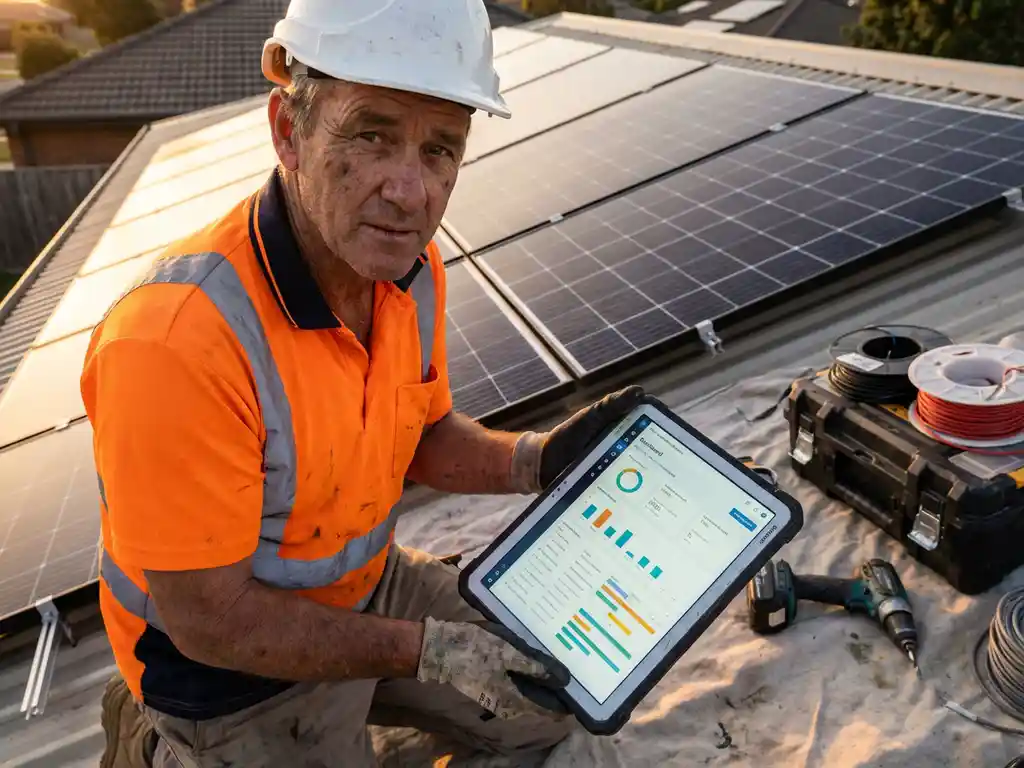
ERP software helps solar panel installers track projects by providing a centralised platform that monitors every stage, from initial consultation through completion and maintenance. Unlike basic project management tools, ERP systems integrate customer data, inventory management, scheduling, and financial tracking into one comprehensive solution. This integration enables real-time visibility across all project phases while automating routine tasks and reducing manual errors.
What is ERP software and why do solar installers need it for project tracking?
ERP (Enterprise Resource Planning) software is an integrated business management system that connects all operational processes within a single platform. For solar installers, ERP differs from basic project management tools by combining project tracking with customer relationship management, inventory control, financial management, and regulatory compliance features. This comprehensive approach addresses the complex nature of solar installations, which involve multiple stakeholders, regulatory requirements, and technical specifications.
Solar installation companies benefit from integrated business management systems because their projects require coordination between sales teams, engineers, procurement specialists, installation crews, and customer service representatives. Traditional project management tools often create information silos where critical data remains trapped within individual departments. Modern ERP solutions like those offered by OpusFlow eliminate these barriers by ensuring everyone can access the same real-time information through unified platforms designed specifically for growing businesses.
The complexity of solar projects demands sophisticated tracking capabilities. Each installation involves site assessments, permit applications, equipment procurement, grid-connection approvals, and ongoing performance monitoring. ERP systems manage these interconnected processes while maintaining compliance with local regulations and industry standards.
How does ERP software track solar installation projects from start to finish?
ERP software tracks solar installation projects through automated workflow management that captures every milestone from initial lead generation to post-installation monitoring. The system creates a digital trail that documents site assessments, permit submissions, equipment deliveries, installation progress, and performance verification. This comprehensive tracking ensures nothing falls through the cracks while providing stakeholders with real-time project visibility.
The complete project lifecycle begins with lead capture, where the ERP system automatically creates project records and schedules initial consultations. During site assessment, technicians input technical data directly into mobile applications that sync with the central system. This information feeds into automated permit applications and equipment specifications.
Equipment procurement integrates with inventory management modules that track component availability and delivery schedules. Installation scheduling coordinates crew availability with equipment deliveries and customer preferences. Quality control checkpoints require digital sign-offs before projects advance to subsequent phases.
Post-installation monitoring continues through performance verification and warranty management. The system maintains historical records that support maintenance scheduling and customer service requirements. This end-to-end visibility enables proactive problem resolution and improves customer satisfaction through streamlined operations and better communication.
What specific project tracking features should solar installers look for in ERP software?
Essential project tracking features for solar installers include real-time dashboards, automated milestone tracking, resource allocation tools, inventory integration, customer portals, and compliance documentation systems. These features must work together seamlessly to provide comprehensive project oversight while reducing administrative burden. The most effective ERP systems offer mobile accessibility for field teams and customisable reporting for different stakeholder needs, enabling businesses to scale efficiently.
Real-time project dashboards provide instant visibility into project status, resource allocation, and potential bottlenecks. These dashboards should display key performance indicators such as project completion percentages, budget utilisation, and schedule adherence. Automated milestone tracking eliminates manual status updates by triggering notifications when specific tasks are completed.
Resource allocation tools help managers assign appropriate personnel and equipment to projects based on availability, skills, and location. Integration with inventory management ensures component availability aligns with installation schedules. Customer communication portals provide transparency while reducing support inquiries and improving overall client experience.
Compliance documentation features maintain required permits, certifications, and inspection records. Performance monitoring capabilities track system output and identify maintenance requirements. These integrated features ensure projects meet technical specifications and regulatory requirements while supporting business growth through operational excellence.
How does ERP software help solar installers manage multiple projects simultaneously?
ERP software manages multiple solar projects simultaneously through centralised resource scheduling, priority management, and portfolio dashboards that provide oversight of entire project portfolios while maintaining detailed tracking of individual installations. The system optimises resource allocation across projects, identifies potential conflicts, and enables data-driven decision-making. This capability becomes essential as installation companies scale their operations and require robust systems to support growth.
Multi-project management begins with capacity planning tools that analyse available resources against project requirements. The system identifies potential bottlenecks before they impact schedules and suggests alternative resource allocations. Priority management features help teams focus on critical-path activities across all active projects.
Team coordination tools facilitate communication between crews working on different projects. Shared calendars and resource booking systems prevent double-booking of personnel and equipment. Automated notifications alert relevant team members when project status changes affect their responsibilities.
Portfolio dashboards aggregate data from all active projects to provide executive-level visibility into company performance. These views highlight projects requiring attention while celebrating successful completions. Bottleneck identification features analyse workflow patterns to suggest process improvements that benefit all projects and support sustainable business expansion.
What are the biggest project tracking challenges ERP software solves for solar installers?
ERP software solves critical project tracking challenges, including communication gaps between teams, manual data entry errors, inventory shortages, permit delays, scheduling conflicts, and customer communication issues. These problems frequently plague solar installation companies using disconnected systems or manual processes. Integrated ERP solutions address these challenges through automation and centralised information management that improves operational efficiency and supports business growth.
Communication gaps occur when project information remains trapped within individual departments or software systems. ERP platforms eliminate these silos by ensuring all team members can access the same real-time data. Automated notifications alert relevant personnel when project status changes require their attention.
Manual data entry errors create costly rework and customer dissatisfaction. ERP systems reduce these errors through automated data capture and validation rules. Mobile applications enable field teams to input information directly into the system, eliminating transcription mistakes and improving data accuracy.
Inventory shortages and scheduling conflicts disrupt project timelines and increase costs. ERP software prevents these issues through integrated planning that coordinates equipment availability with crew schedules and customer preferences. Permit-tracking features monitor application status and alert teams to potential delays.
Customer communication improves through automated updates and self-service portals that provide project visibility. These features reduce support inquiries while improving customer satisfaction through transparency and proactive communication, ultimately supporting business reputation and growth.
Related Articles
- How do you calculate battery needs for a household with high daytime consumption?
- What happens to your existing data when you switch to a new ERP system?
- What an AI assistant inside your solar business software actually does all day
- How do you create accurate quotes for solar and heat pump installations?
- What project management features should installers look for in ERP systems?