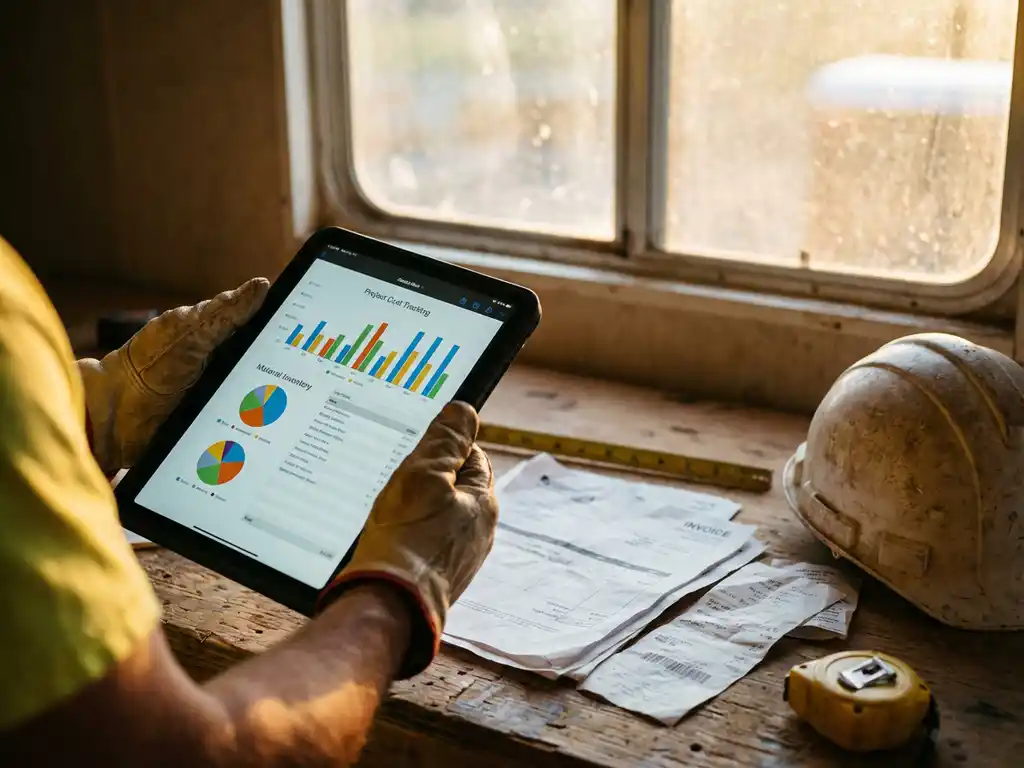
ERP software helps installation companies track material costs through automated inventory management, real-time cost calculations, and integrated purchasing systems. These platforms eliminate manual tracking errors while providing instant visibility into material expenses across projects. Modern ERP solutions like OpusFlow centralise cost data, automate purchase orders, and generate detailed reports that help sustainable installation companies maintain profitability and competitive pricing.
What is material cost tracking, and why is it crucial for installation companies?
Material cost tracking is the systematic monitoring and recording of all material expenses throughout installation projects, from initial procurement to final installation. This process involves tracking purchase prices, delivery costs, waste percentages, and usage rates across different job sites and project types.
For sustainable installation companies working with solar panels, heat pumps, and EV charging stations, accurate material cost tracking directly impacts project profitability. These businesses often operate on tight margins, making precise cost control essential for maintaining competitive pricing while ensuring healthy profit margins.
The process becomes particularly crucial when managing multiple projects simultaneously. Installation companies must account for price fluctuations in materials such as solar panels, inverters, and mounting systems, which can vary significantly based on market conditions and supplier relationships. Without proper tracking systems, companies struggle to provide accurate quotes, leading to either lost contracts or reduced profitability.
Cash flow management also depends heavily on material cost visibility. Installation companies need to understand when materials will be needed, how much they will cost, and how these expenses align with project payment schedules. This information helps prevent cash flow gaps that could disrupt operations or prevent companies from taking on new projects.
How does ERP software automate material cost tracking for installers?
ERP software automates material cost tracking through integrated systems that connect purchasing, inventory management, and project costing in real time. The platform automatically updates material costs as purchases are made, eliminating the need for manual data entry and reducing calculation errors.
The automation begins with supplier integration capabilities that connect directly to vendor systems. When material prices change or new products become available, the ERP system automatically updates cost databases. This ensures that project estimates always reflect current market pricing, preventing costly underestimations.
Real-time inventory tracking provides instant visibility into stock levels and material costs. As materials are allocated to specific projects, the system automatically calculates project-specific costs and updates overall inventory values. This process eliminates the time-consuming task of manually tracking material usage across multiple job sites.
Automated purchase order generation streamlines procurement processes. When inventory levels reach predetermined reorder points, the system can automatically generate purchase orders based on upcoming project requirements and preferred supplier agreements. This automation prevents both stockouts and overstock situations while maintaining optimal inventory investment levels.
The system also handles complex calculations such as waste factors, delivery costs, and bulk pricing discounts automatically. These calculations are applied consistently across all projects, ensuring accurate costing and eliminating the errors that commonly occur with manual calculations.
What are the biggest material cost management challenges installation companies face?
Installation companies face significant challenges with price volatility, particularly in the sustainable energy sector, where material costs can fluctuate dramatically. Solar panel prices, battery systems, and heat pump components are subject to supply chain disruptions, regulatory changes, and market demand variations that can impact project profitability overnight.
Supplier management complexity creates another major challenge. Installation companies typically work with multiple suppliers for different material categories, each with unique pricing structures, delivery schedules, and payment terms. Managing these relationships while ensuring competitive pricing requires significant administrative effort.
Project-specific costing becomes complicated when companies handle diverse installation types. A company installing both residential solar systems and commercial heat pump solutions must track different material categories, labour requirements, and cost structures. This complexity multiplies when managing multiple projects simultaneously across different market segments.
Waste tracking and control present ongoing difficulties. Installation projects inevitably generate material waste through cutting, damage, or over-ordering. Without proper tracking, companies cannot identify waste patterns or implement strategies to reduce unnecessary costs. This lack of visibility can significantly impact project margins.
Seasonal demand variations create inventory management challenges. Installation companies must balance carrying sufficient stock to meet peak-season demand while avoiding excessive inventory costs during slower periods. Poor demand forecasting can result in either lost sales opportunities or increased carrying costs that erode profitability.
How can installation companies reduce material waste and optimise inventory with ERP?
ERP systems help installation companies reduce material waste through detailed analytics that identify waste patterns across projects and job sites. The software tracks material usage efficiency, comparing planned versus actual consumption to highlight areas where waste occurs most frequently.
Data analytics capabilities enable companies to establish optimal stock levels based on historical usage patterns, seasonal demand variations, and upcoming project requirements. This analysis helps prevent both stockouts that could delay projects and overstock situations that tie up working capital unnecessarily.
Just-in-time ordering becomes feasible through ERP integration with project schedules and supplier systems. The software can automatically calculate when materials will be needed based on project timelines, allowing companies to order materials closer to installation dates. This approach reduces storage costs and minimises the risk of damage or obsolescence.
The system establishes intelligent reorder points that consider multiple factors, including lead times, minimum order quantities, and upcoming project requirements. These automated reorder points ensure adequate stock availability while minimising inventory investment and associated carrying costs.
Project-specific material tracking helps identify which installation types generate the most waste and which crews demonstrate the highest efficiency rates. This information enables targeted training programmes and process improvements that reduce waste across the organisation.
ERP software transforms material cost management for installation companies by providing the visibility, automation, and analytics needed to maintain profitability in competitive markets. Companies that implement comprehensive ERP solutions like OpusFlow gain significant advantages in cost control, operational efficiency, and strategic decision-making capabilities.
How OpusFlow helps with material cost tracking
OpusFlow provides sustainable installation companies with comprehensive material cost tracking capabilities specifically designed for solar panel, heat pump, and EV charging station installations. Our platform automates the entire material management workflow, from procurement to project allocation, ensuring accurate cost tracking across all your installation projects.
Key benefits include:
- Automated inventory management with real-time cost updates for sustainable installation materials
- Integrated supplier systems that track price changes for solar, heat pump, and EV charging components
- Project-specific cost allocation and waste tracking tailored to installation workflows
- Intelligent reorder points that optimise stock levels for seasonal installation demands
- Comprehensive analytics that identify cost-saving opportunities in sustainable installation projects
Transform your material cost management and boost project profitability with OpusFlow’s specialised ERP solution for sustainable installation companies. With implementation completed within 1 month, you can start optimising your material costs immediately. Contact our team today to discover how we can streamline your installation business operations.
Related Articles
- How do you build a real-time dashboard to monitor your service business?
- What is the difference between project management software and ERP?
- What workforce planning features should installation companies prioritise?
- What are the key benefits of using ERP software for installation businesses?
- What are the key performance indicators that ERP software can track for installers?