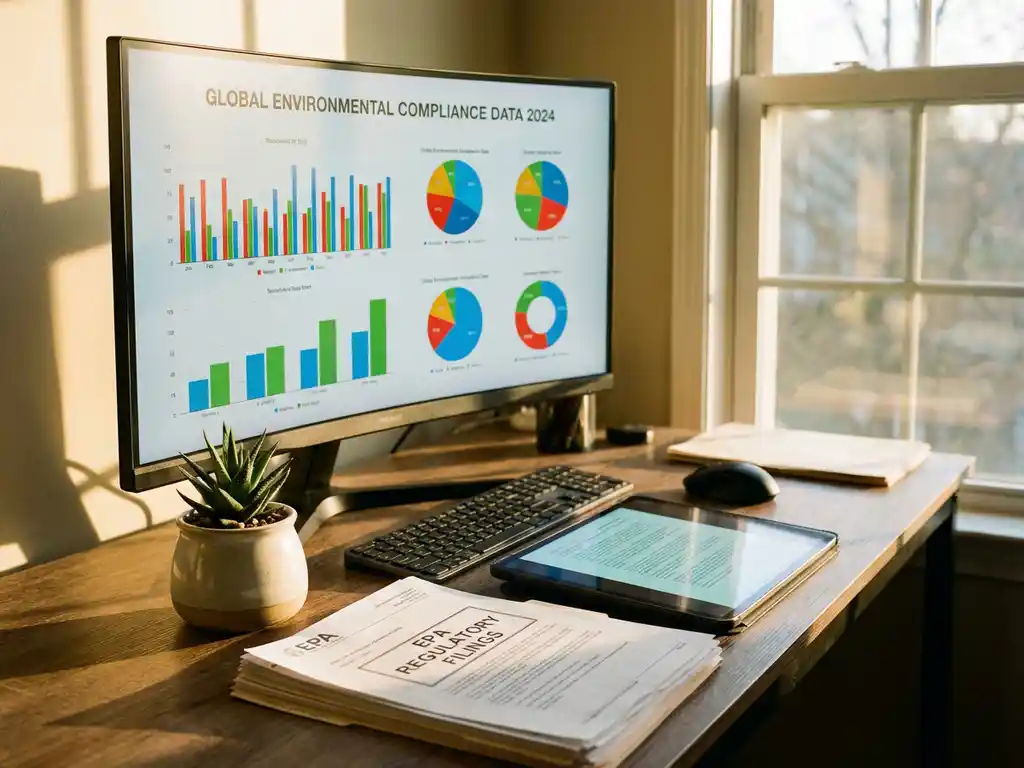
ERP systems’ environmental compliance capabilities help installation companies automate regulatory tracking, manage documentation, and ensure consistent adherence to environmental standards. Modern sustainable ERP software centralises compliance workflows, reducing the risks associated with manual oversight while maintaining real-time visibility into regulatory requirements. These systems particularly benefit German construction companies navigating complex environmental regulations through integrated compliance management tools.
What are environmental regulations for installation companies?
Environmental regulations for installation companies encompass waste management protocols, energy efficiency standards, and mandatory sustainability reporting requirements. German installation companies must comply with the Circular Economy Act (KrWG), the Building Energy Act (GEG), and EU sustainability directives that govern material sourcing, waste disposal, and carbon footprint documentation.
The regulatory landscape includes strict documentation requirements for sustainable technology installations. Solar panel installers must track component recycling protocols, while heat pump specialists must comply with refrigerant-handling regulations and energy-efficiency certification requirements. Installation companies also face multi-jurisdictional compliance challenges when operating across German states, each with its own environmental standards.
Material sourcing transparency has become increasingly critical, with regulations requiring detailed supply chain documentation. Companies must demonstrate sustainable procurement practices, track material origins, and maintain comprehensive records for regulatory audits. These requirements extend beyond installation to include lifecycle management and end-of-service disposal protocols.
How do ERP systems track and manage environmental compliance?
ERP systems automate environmental compliance through integrated document management, workflow automation, and real-time connections to regulatory databases. Sustainable ERP software centralises compliance tracking by automatically generating required documentation, scheduling regulatory submissions, and maintaining audit trails for all environmental processes.
Document management capabilities within ERP platforms ensure proper storage and retrieval of environmental certificates, waste disposal records, and sustainability reports. Workflow automation features create standardised processes for compliance tasks, automatically assigning responsibilities and setting deadlines for regulatory submissions. This systematic approach eliminates manual tracking errors and ensures consistent adherence to environmental standards.
Integration with regulatory databases enables real-time compliance monitoring. ERP systems can automatically update when regulations change, alert teams to new requirements, and generate compliance reports that match specific regulatory formats. OpusFlow’s ERP platform includes built-in compliance templates for German construction regulations, streamlining the documentation process for sustainable installation companies through automated workflow management and integrated project tracking.
What compliance challenges do sustainable installation companies face?
Sustainable installation companies encounter complex documentation requirements, multi-jurisdictional regulatory variations, and demanding material sourcing transparency requirements. Managing certification processes across different sustainable technologies creates additional compliance burdens, particularly when companies offer multiple services such as solar panels, heat pumps, and EV charging stations.
Documentation complexity represents the primary challenge, with companies required to maintain detailed records for every installation project. These records must include material specifications, disposal protocols, energy-efficiency calculations, and ongoing maintenance schedules. Manual documentation processes increase the risk of errors and consume significant administrative resources.
Multi-jurisdictional operations compound compliance difficulties. German installation companies working across different states must navigate varying environmental standards, reporting requirements, and certification processes. Material sourcing transparency adds another layer of complexity, requiring companies to verify suppliers’ sustainability credentials and maintain comprehensive supply chain documentation throughout project lifecycles.
How can ERP automation reduce compliance risks and costs?
ERP automation minimises compliance risks by standardising processes, eliminating manual errors, and ensuring consistent documentation across all projects. Automated workflows can reduce administrative overhead by up to 60% while maintaining comprehensive audit trails and real-time compliance monitoring capabilities.
Standardised processes within ERP systems ensure every project follows identical compliance protocols. This consistency eliminates variations that could lead to regulatory violations while reducing staff training requirements. Automated compliance workflows generate required documentation automatically, schedule regulatory submissions, and alert teams to approaching deadlines.
Cost reductions result from decreased administrative overhead and a lower risk of compliance violations. ERP systems eliminate duplicate data entry, automate report generation, and centralise compliance management across all company operations. This efficiency allows installation companies to focus resources on core business activities rather than manual compliance administration.
OpusFlow’s integrated approach to sustainable installation management creates competitive advantages beyond compliance. Companies using OpusFlow’s ERP platform demonstrate superior environmental stewardship to clients while reducing operational costs through streamlined processes and automated project management. This dual benefit positions sustainable installation companies for growth in Germany’s increasingly regulated construction sector through comprehensive business automation and customer relationship management.
Related Articles
- How do you check inverter and battery compatibility before quoting?
- What is a good ROI for a home battery installation in 2026?
- How do you size a battery for overnight use only?
- How do you calculate solar self-consumption with and without a battery?
- How does ERP software help sustainable installers track their carbon footprint?