Service businesses managing multiple simultaneous projects face a complex challenge: accurately tracking costs across diverse initiatives while maintaining profitability insights for each engagement. Unlike product-based companies with standardized cost structures, service businesses must allocate labor, materials, and overhead expenses across varying project scopes, timelines, and resource requirements. This complexity intensifies when companies handle dozens or hundreds of concurrent projects, making manual cost tracking both error-prone and time-consuming.
Effective project cost tracking becomes critical for sustainable business growth, enabling companies to identify profitable services, optimize resource allocation, and make data-driven pricing decisions. Modern installation companies, particularly those in sustainable technologies, must balance sophisticated project requirements with tight margins, making accurate cost management essential for long-term success.
Why multi-project cost tracking challenges service businesses
Multi-project cost tracking presents unique operational challenges that distinguish service businesses from traditional manufacturing or retail operations. Service companies must simultaneously monitor direct labor costs, material expenses, subcontractor fees, and overhead allocation across projects with varying complexity levels and resource demands.
Resource allocation complexity emerges when skilled technicians work across multiple projects within a single workday or week. Installation companies often deploy teams to different job sites, requiring precise time tracking and cost attribution to maintain accurate project profitability analysis. Without systematic tracking, businesses struggle to identify which projects generate healthy margins versus those that drain resources.
Administrative overhead becomes another significant challenge as project managers manually compile cost data from multiple sources, including timesheets, material receipts, equipment usage logs, and subcontractor invoices. This fragmented approach increases error rates and delays financial reporting, preventing timely decision-making about project adjustments or resource reallocation.
Cash flow management suffers when businesses lack real-time visibility into project costs versus budgets. Service companies may discover cost overruns weeks or months after they occur, limiting opportunities for corrective action and potentially jeopardizing client relationships through unexpected billing adjustments.
Essential cost categories for project-based service companies
Successful project cost management requires systematic categorization of all expenses associated with service delivery. Direct labor costs represent the largest expense category for most service businesses, encompassing wages, benefits, and payroll taxes for employees working directly on client projects.
Material and equipment costs vary significantly across project types and must be tracked with precision to maintain accurate profitability analysis. Installation companies typically manage inventory for consumable materials, specialized equipment purchases or rentals, and third-party components that integrate into client systems. Each category requires different tracking methodologies and allocation rules.
Overhead and indirect cost allocation
Overhead allocation presents ongoing challenges as businesses must distribute administrative costs, facility expenses, insurance, and management salaries across active projects. Effective cost allocation methods consider project duration, resource intensity, and revenue contribution to ensure fair cost distribution without artificially inflating or deflating individual project profitability.
Subcontractor and vendor expenses require careful monitoring, as these costs often represent significant project investments with varying payment terms and quality standards. Service businesses must track subcontractor performance alongside costs to optimize future project planning and vendor selection decisions.
Hidden costs and miscellaneous expenses
Travel expenses, permit fees, inspection costs, and client change requests create additional cost categories that businesses often underestimate during project planning. These miscellaneous expenses can significantly impact project margins if not properly tracked and allocated to specific engagements.
Quality control and warranty costs represent long-term considerations that affect project profitability beyond initial completion dates. Service businesses must factor these potential expenses into cost tracking systems to maintain accurate lifetime project profitability analysis.
One Platform to Run Your Entire Installation Business
Manage leads, projects, stock, and invoicing — everything in one smart system built for sustainable installers.
How modern ERP systems automate project cost allocation
Modern ERP systems transform project cost management through automated data collection, real-time expense tracking, and intelligent cost allocation algorithms. These platforms integrate time tracking, expense management, and financial reporting into unified workflows that eliminate manual data entry and reduce administrative overhead.
Automated time tracking captures employee hours across multiple projects through mobile applications, GPS verification, and integration with project management tools. This real-time data collection enables immediate cost attribution and provides managers with current project status information for proactive decision-making.
Material cost tracking becomes streamlined through inventory management integration that automatically assigns material costs to specific projects when items are allocated or consumed. Advanced systems track material usage patterns and provide predictive analytics for future project planning and purchasing decisions.
Real-time financial visibility
Dashboard reporting provides instant access to project profitability metrics, budget variance analysis, and resource utilization rates across all active engagements. Managers can identify cost overruns immediately and implement corrective actions before they significantly impact project margins or client relationships.
Integration capabilities allow ERP systems to connect with external tools, including accounting software, payroll systems, and vendor portals. This connectivity ensures cost data flows seamlessly between systems without manual intervention, reducing errors and improving data accuracy across business operations.
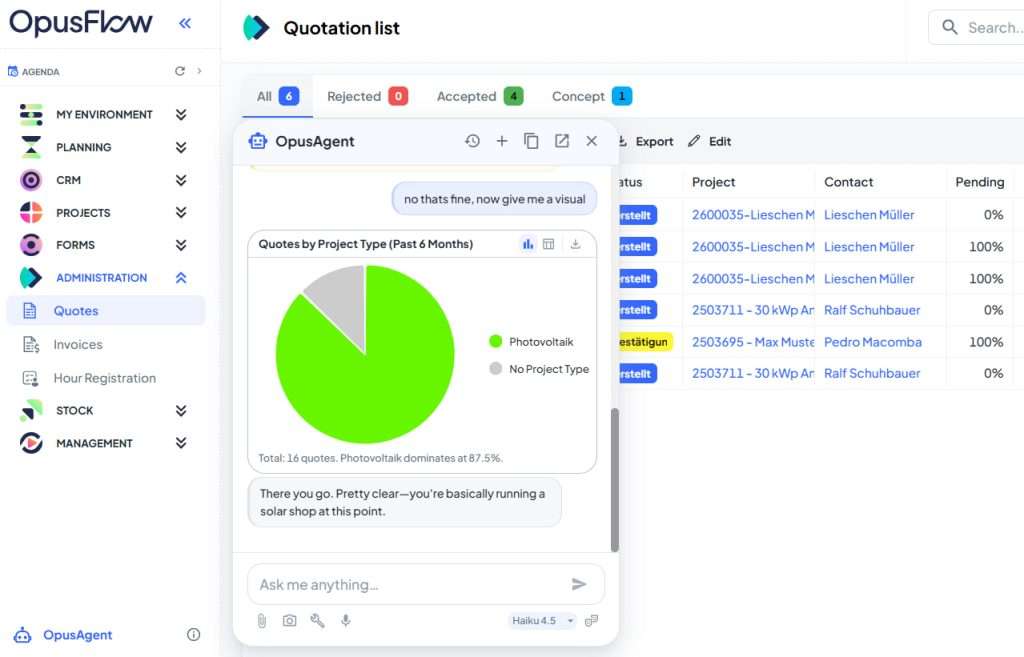
Artificial intelligence features enhance cost allocation accuracy by learning from historical project data and suggesting optimal resource allocation strategies. These AI-powered insights help businesses optimize future project planning and improve overall operational efficiency.
Best practices for accurate project cost allocation
Establishing standardized cost categories and allocation methodologies creates consistency across projects and enables meaningful performance comparisons. Service businesses should develop clear guidelines for categorizing expenses and train staff on proper cost attribution procedures to maintain data quality.
Regular cost review cycles ensure project budgets remain aligned with actual performance and market conditions. Weekly or bi-weekly cost analysis sessions allow managers to identify trends, address variances, and adjust resource allocation before minor issues become significant problems.
Technology integration and data quality
Implementing integrated technology solutions eliminates data silos and reduces manual data entry requirements that often introduce errors into cost tracking systems. Businesses should prioritize platforms that offer seamless integration between project management, time tracking, and financial reporting functions.
Staff training programs ensure team members understand cost tracking procedures and utilize technology tools effectively. Regular training updates help businesses maximize their technology investments and maintain high data quality standards across all projects.
Performance monitoring and continuous improvement
Establishing key performance indicators for cost management enables businesses to measure improvement over time and identify areas requiring additional attention. Metrics should include cost variance percentages, project margin trends, and resource utilization efficiency across different service categories.
Regular system audits verify cost allocation accuracy and identify opportunities for process improvements. These reviews help businesses refine their cost tracking methodologies and ensure their systems continue meeting evolving operational requirements.
How OpusFlow streamlines multi-project cost allocation
OpusFlow all-in-one solution provides comprehensive project cost tracking capabilities designed specifically for installation companies managing multiple concurrent projects. Our integrated ERP platform automates cost allocation across projects while providing real-time visibility into profitability metrics and resource utilization.
Key features include:
- Automated time tracking with mobile integration for accurate labor cost attribution
- Real-time material cost allocation through integrated inventory management
- Intelligent overhead distribution based on project characteristics and resource requirements
- Comprehensive project profitability dashboards with drill-down capabilities
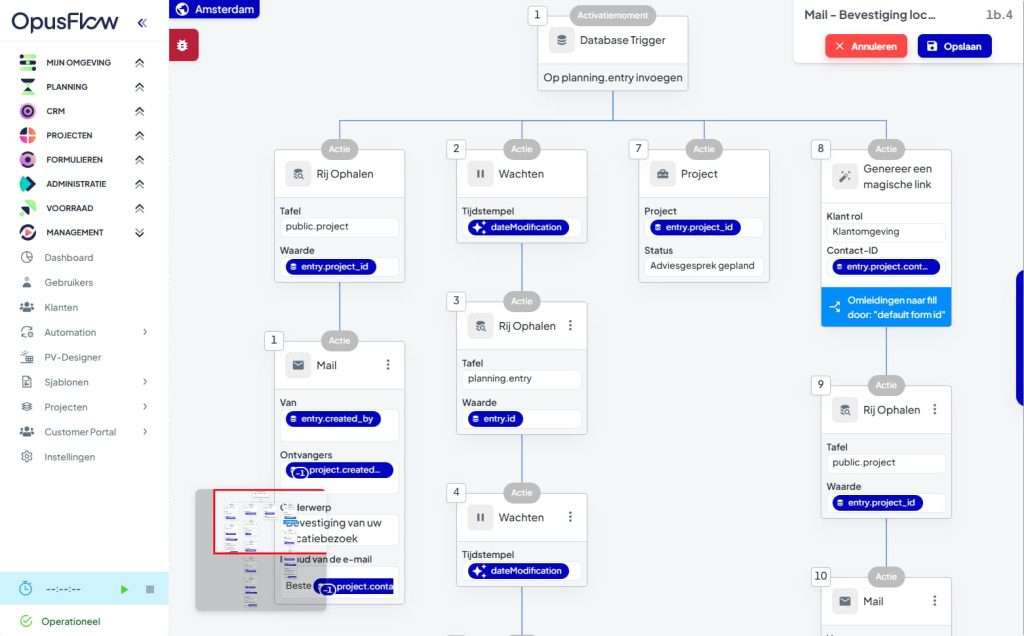
- Workflow automations that eliminate manual cost entry and reduce administrative overhead
Our platform integrates seamlessly with existing business tools while providing the specialized functionality installation companies need to optimize their operations. Contact our team or schedule a free demo to discover how OpusFlow can transform your project cost management and improve your bottom line.