Your calendar is full, your margins are tight, and every job seems to live in five apps and three group chats. By 9 a.m. you’ve already answered a price question, chased a missing roof photo, checked if the rails arrived, and re-sent a proposal because the “final_final” file wasn’t final.
Sound familiar?
PV installation software, or also known as solar design software, is a computer tool that helps plan and create solar power systems. It allows designers or installers to draw the layout of panels on rooftops or land, check how much sunlight they’ll get, and estimate how much electricity they can produce.
If you are interested in what solar design software is, learn more: How to choose the best solar design software: features, benefits and examples.
This article isn’t about old tools or the past. It’s about what leading installers do today to protect profit and give customers a great experience across more jobs. We’ll highlight the real benefits that make a difference, show what you might lose if you don’t have such a system, and point out the savings you can achieve.
The benefits of having PV installation software
In this part, we will look at why using solar design software is so important for installers. We’ll explain how it helps make the design and installation process more accurate, organized, and professional. You’ll see how these tools improve teamwork, speed up project planning, and make it easier to deliver high-quality results. Let’s take a closer look at the main benefits.
1. Designed for sustainable installation companies
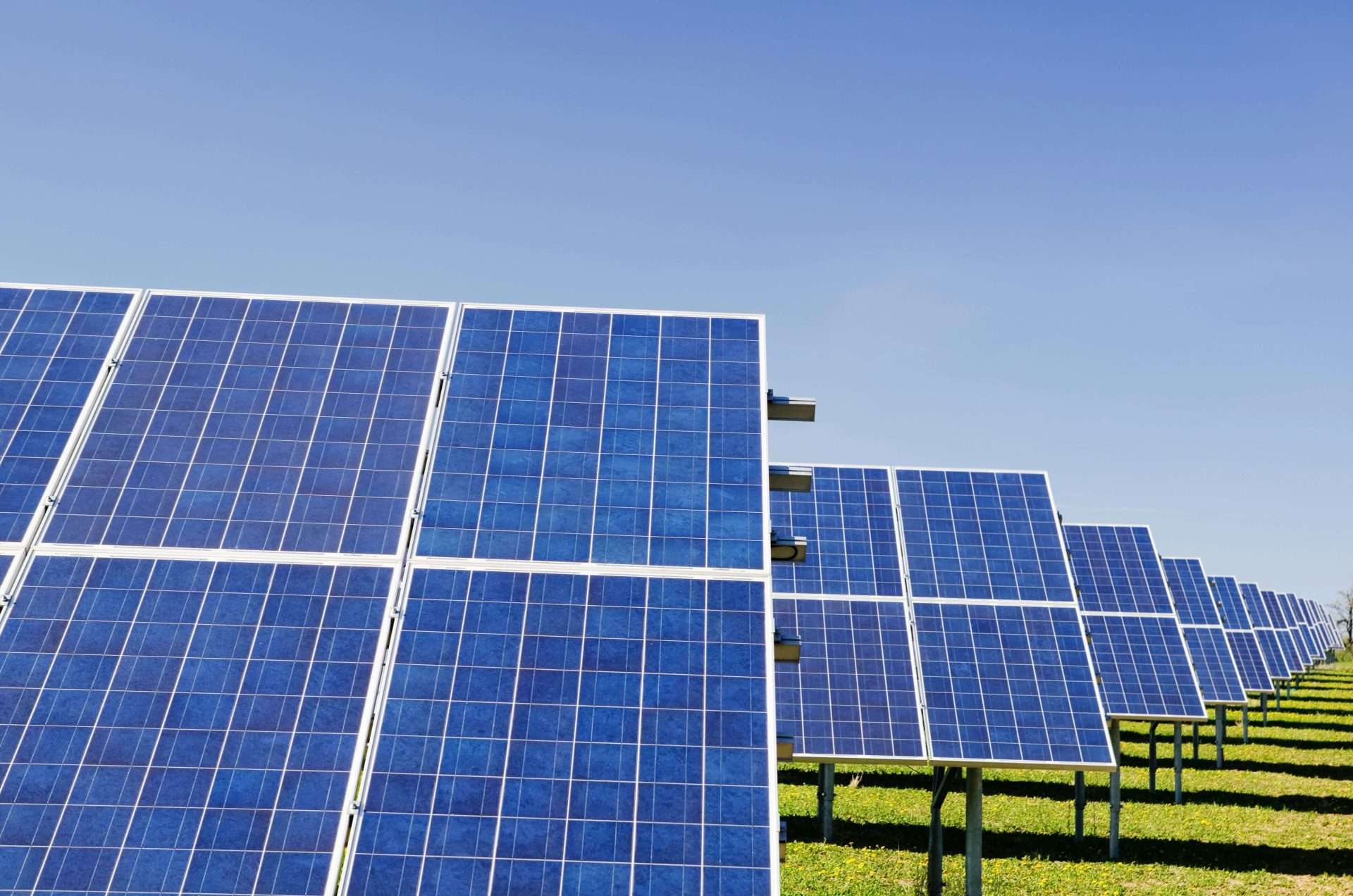
PV installation software is made especially for solar companies. Unlike normal design tools, it understands everything about solar systems – from where to place panels to how much sunlight they’ll get. This means you don’t have to waste time adjusting general tools to fit your work.
The software already knows what solar installers need and how they work. It helps design clean-energy systems that follow modern rules and use the latest technology. Most platforms connect design, sales, and permits in one system. That saves time and makes it easy to move from one project step to another.
You can plan everything – from first customer contact to final installation – without switching apps. It’s like having a smart teammate who understands solar. With it, companies can focus more on green projects and less on fixing tool problems.
2. PV installation software means lower costs and fewer systems
Using all-in-one complete solar software can save a lot of money. Instead of paying for several tools for design, modeling, and proposals, you can do it all in one place. This means fewer subscriptions and lower total costs.
A single program can replace three or four others. You also save time and training costs because your team only needs to learn one tool. Everything works together, and there’s no need to move data between different apps.
With one system, mistakes are less likely since all project info stays in one place. You don’t waste time fixing data errors or switching screens. In the end, you get the same results with fewer tools, saving both time and money. It’s a simple way to make your business leaner and more efficient.
3. PV software guarantees accurate design and roof modeling

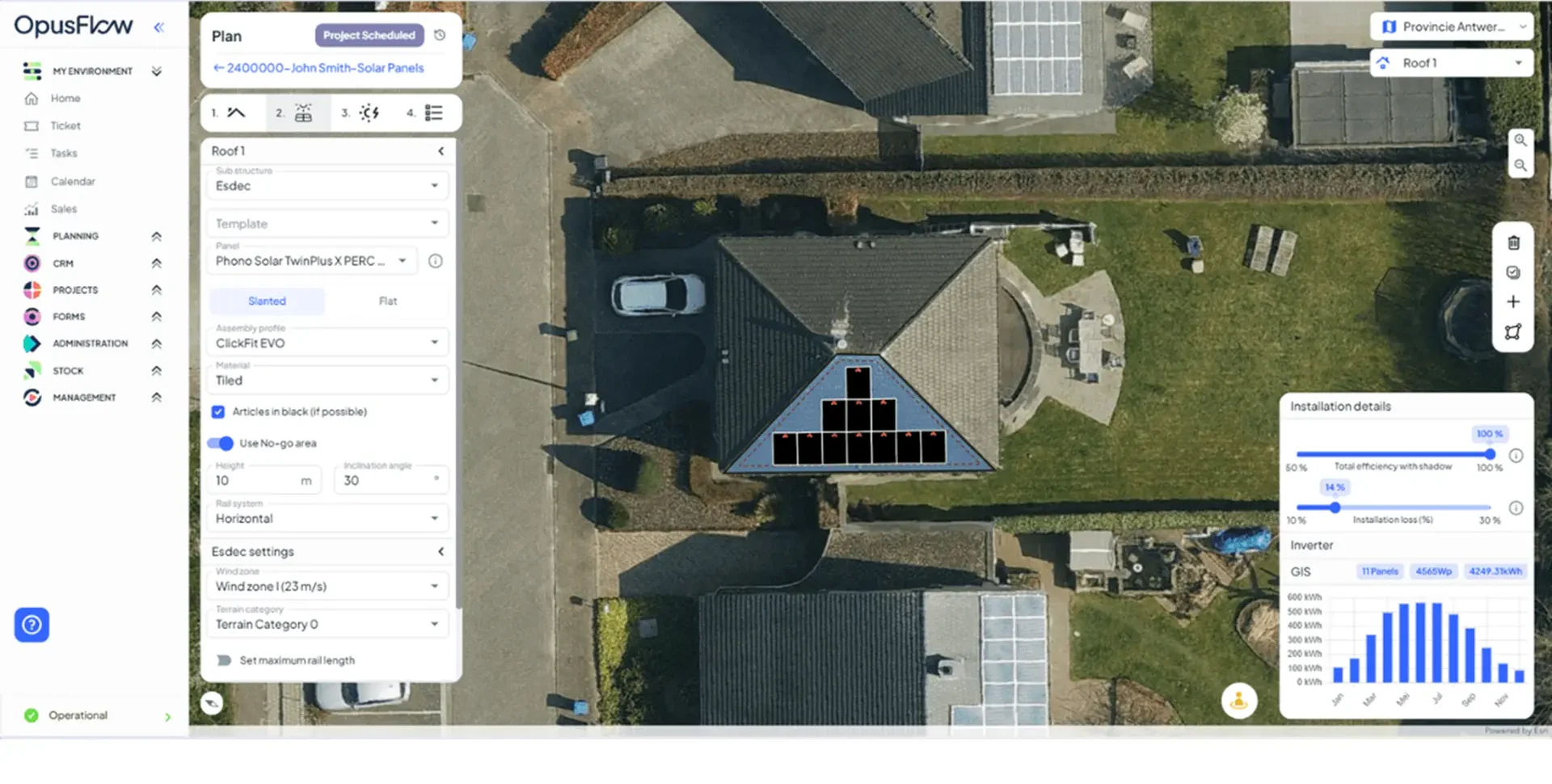
Solar design software creates a very precise model of a roof or site. It uses satellite images and mapping to show exact roof shapes and angles. When you place panels in the software, it looks just like it will in real life. The system even finds roof features like chimneys or skylights automatically.
You can test different layouts to see which one captures the most sunlight. Because everything is modeled accurately, the installation team can trust the plan. There’s no guessing or last-minute changes on site.
It also predicts real energy production based on the true panel position. This prevents design errors that could cost time or money later. With accurate roof modeling, what you design on-screen matches what’s built on-site.
4. PV installation software creates quotes in minutes
With solar design software, sales teams can generate complete, accurate solar proposals in just a few minutes. The software automates key steps – such as site analysis, system sizing, calculations, and energy production estimates – that would normally take hours or even days if done manually.
This instant turnaround means customers don’t have to wait, and sales representatives can respond faster than competitors. When potential customers receive their solar quotes quickly, their interest and engagement remain high.
Read more: OpusFlow quotation page revamped: A simpler, smarter way to create quotes.
5. With PV installation software you get advanced planning
PV software helps create a user-friendly plan for the whole solar project, not just the panel layout. You can schedule tasks like permits, equipment orders, and installations ahead of time. It gives you tools to check site details and confirm that the project will work.
You can run “what-if” tests to see how design or component changes affect the plan. The software also warns if your design breaks local rules or needs adjustments. This means you can fix issues before installation starts. It helps prepare for future upgrades, like batteries or extra panels.
Everything from logistics to technical design can be mapped in one place. That saves time, avoids surprises, and makes each project smoother. With good planning, your team stays organized and ready for any challenge.
6. Practical shading analysis
Smart shading analysis in solar software shows exactly where shadows fall during the year. You can mark trees, chimneys, or buildings, and the system will simulate their shadows. This lets you see how much sun each roof area gets. You’ll know which panels might lose power and which spots are best for sunlight.
It even calculates the exact percentage of energy loss from shading. This helps decide whether to move panels or use devices like optimizers. The tool shows real-world conditions, not just perfect situations. You can share visual shading maps with clients to explain design choices.
It’s much more accurate than guessing or using simple drawings. By knowing the shading impact early, you make designs that work better and last longer.
7. Full control over purchases and stock
Solar design software connects your project design with what you need to buy. It creates a complete list of all materials, like panels and inverters, based on the design. You can compare it with your current stock to see what you already have. If something is missing, you’ll know exactly what to order.
Some platforms even track prices so you can stay on budget. When materials are used, they can be marked in the system, helping you manage inventory. This avoids double orders or missing parts. You can also plan future purchases based on upcoming projects. It keeps your supply chain clear and organized. With full control over stock and purchases, projects run smoothly from start to finish.
8. Custom financial and ROI calculations
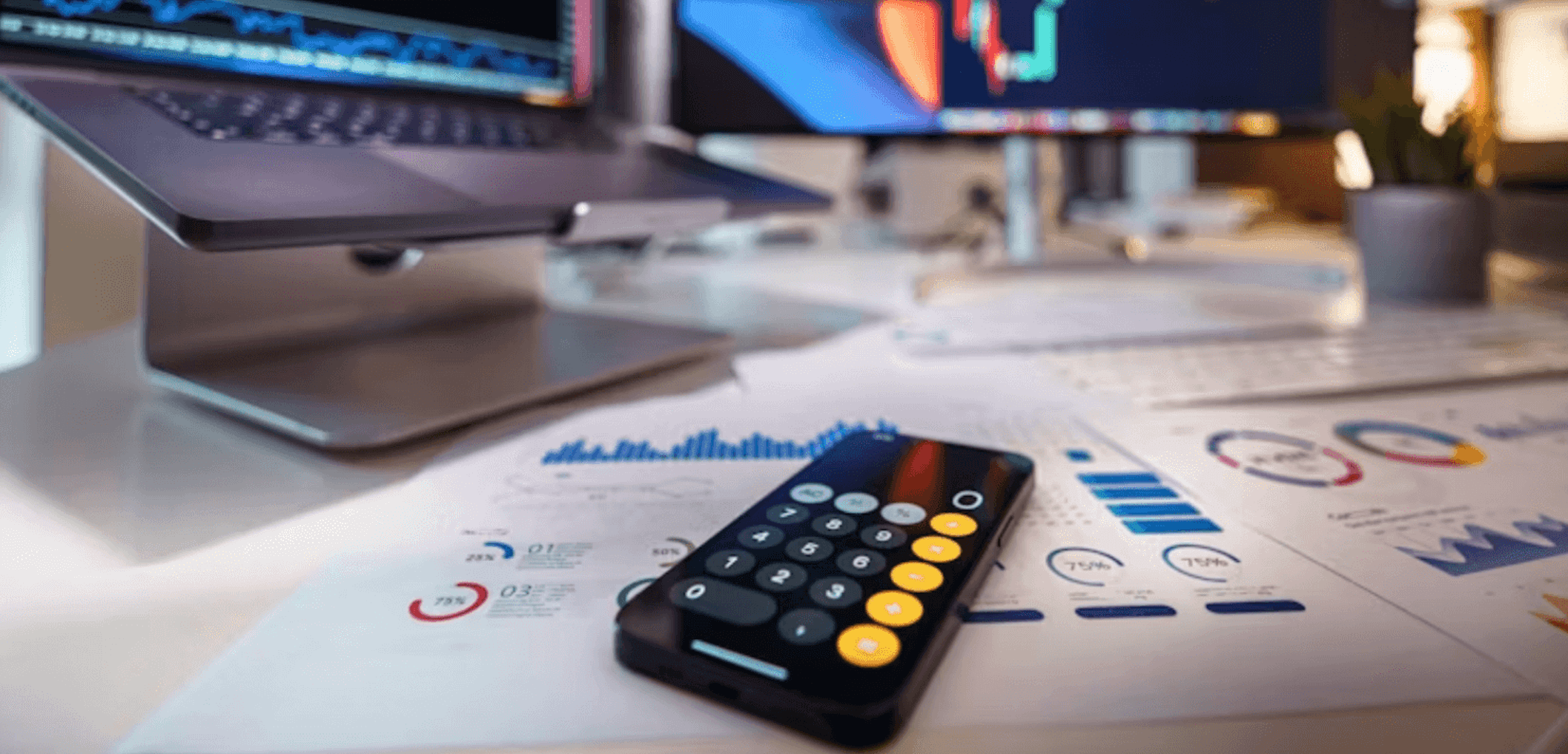
Each customer has unique goals, and solar software helps personalize financial plans. You can enter their energy rates, usage, and local incentives. The system calculates payback time, monthly savings, and return on investment.
You can test different options, like loan vs. cash or system size changes. Everything updates instantly, so you can show results right away. Quick ROI calculations make proposals accurate and easy for clients to understand.
You can also compare multiple scenarios side by side. The data is based on real tariffs and rebates, not guesses. Clients can clearly see the value of going solar for their situation. It makes your offers more professional and trustworthy.
9. Clear and automatic bill of materials
A clear bill of materials lists every part needed for the project. The software generates it automatically from your design. It includes panels, inverters, cables, mounts, and even small parts. Everything is counted and organized neatly. This helps your team order, prepare, and install without confusion.
If you make design changes, the list updates right away. You can share it with clients or suppliers for full transparency. Installers can use it as a checklist to make sure nothing is missing. It saves time and avoids costly errors from forgotten parts. Having a clear BOM keeps your project organized from start to finish.
10. Automation of routine tasks
Solar software makes automations of many boring but necessary tasks. It can fill a roof with panels, make wiring diagrams, and calculate system loads automatically. Complex math and sunlight analysis happen in seconds. You don’t need to redo things by hand each time. It also automates proposal creation and emails for project updates. This saves your team hours every week.
Automation makes results more consistent because the software doesn’t make small mistakes. It also reduces stress by handling repetitive jobs automatically. Teams can focus on creative work instead of data entry. The result is faster, more accurate, and more enjoyable project work.
If you’re interested to see how automations can help read this blog to see how you can create your own automations.
11. PV installation software improves team productivity

With one shared system, everyone in the team works better together. Sales, design, and project managers can all access the same project data. There’s no confusion about versions or missing files. The software helps people complete their part faster and with fewer delays.
Designs that took days can now take hours.
Automation and clear processes save time and reduce rework. New employees also learn faster since the system is easy to use.The team can manage more projects without needing more staff. Productivity goes up, stress goes down, and clients get quicker service. It’s a win for both the business and the employees.
12. Easy client communication
With advanced CRM and customer portal, solar software makes it easier to talk with clients. You can share designs and proposals online with a simple link. Clients can view layouts, check savings, or explore options interactively.
This makes it easier for them to understand the project. The software also lets you track project updates and share progress automatically. Clients stay informed about each stage, from design to installation. If they ask questions, you can quickly show answers with visuals.
Fewer misunderstandings mean happier customers. It also saves you time writing long explanations or emails. Clear, quick communication builds trust and keeps projects running smoothly.
Learn more: Maximizing efficiency with OpusFlow’s CRM module
13. Simple and intuitive workflow
Good PV software is easy to use and follows a logical flow. You go step by step – enter an address, draw the roof, place panels, and add components. The layout is clean, with clear buttons and visuals. You don’t need to be a tech expert to use it.
Built-in tips help you learn while you work. The tool warns you if you skip something important or make an error. Everything feels natural and fast, not confusing or slow.
New users can learn quickly and get productive sooner. A simple workflow means less frustration and fewer mistakes. It helps teams work smarter and finish projects faster.
14. Fair and transparent pricing
Modern PV software is usually priced clearly with no hidden fees. You know exactly what you’re paying for and can choose the right plan for your company. It helps you budget easily and avoid surprises. The same idea applies to how you price solar projects for customers.
The software shows detailed cost breakdowns for panels, labor, and permits. You can create fair, data-based quotes that make sense. This makes clients feel informed and confident.
It also helps you set honest prices while keeping good profit margins. Transparency builds trust and long-term customer relationships. Everyone wins when pricing is open and fair.
15. Get competitive advantage with PV installation software
Using advanced solar software puts your company ahead of others. You can design faster, give better proposals, and deliver accurate results. Clients notice your speed and professionalism. Fewer mistakes and better visuals make you stand out from competitors. You can handle more projects without extra costs, giving you an edge.
The software keeps your team efficient and up to date with new rules and tech. You can easily adjust to changes in the market or customer needs. This makes your business stronger and more trusted. In a busy market, even small advantages matter a lot. Smart software helps you stay one step ahead.
One Platform to Run Your Entire Installation Business
Manage leads, projects, stock, and invoicing — everything in one smart system built for sustainable installers.

What you will lose if you don’t use PV installation software
Imagine starting a solar project with no clear overview – designs overlap, details get lost, and small mistakes slowly turn into big problems. Without the right digital tools, it’s easy for confusion and delays to appear. In this part, we’ll look at what can happen when you don’t use solar design software and how it can affect your planning, teamwork, and project quality.
1. Profit loss without solar design software
Small mistakes can quickly reduce your profit. Choosing the wrong inverter, forgetting rails, or adding the wrong tax may not seem big at first – but together they cost a lot. PV software checks for these problems before orders are sent, helping you keep your bills, prices, and invoices correct and clean. It means you spend less time fixing errors and more time earning money.
2. Lack of PV design tools leads to slower project delivery
Doing everything by hand takes too long. You need time for quoting, getting approval, ordering parts, and planning schedules. PV software makes these steps faster and smoother. The installer who sends a clear, correct proposal first often wins the job – and software helps you do that every time.
3. Poor project control without PV installation software
When your work is spread across many different tools, it’s hard to see what’s really happening. You might miss where projects are getting stuck or when you’ll run low on cash. PV software gives you one simple view – a clear timeline and dashboard that show where delays happen and what’s coming next. This helps you plan better and make smarter business decisions.
4. No solar design software means lower customer trust
When customers get mixed messages or missing documents, they start to worry – even if your work is good. A central system keeps everything in one place: updates, quotes, and e-signatures are all easy to find. Customers can log in, see progress, and feel confident that things are on track. Clear communication builds trust and repeat business.
5. Reduced team motivation and collaboration
Your team works best when everyone knows what to do and what comes next. PV software gives clear tasks, shows progress, and reduces confusion. It also cuts out boring admin work, so your crew can focus on real installation jobs. When people feel organized and supported, they’re happier – and they stay longer.
What savings can PV installation software deliver?
- Save time on every project
- Cut down on software costs
- Lower labor costs
- Avoid expensive design mistakes
- Reduce material waste
- Save on training and onboarding
- Cut project delays
- Improve cash flow with faster deals
- Save communication time
- Fewer errors, fewer refunds
- Save management time
- Better use of your team's time
- Save on proposals
- Higher profit per project
How OpusFlow PV installation software boosts efficiency
If you’re looking for a single system that connects sales, PV design, planning, purchasing and stock control, installation, customer management, workflow automation, and much more, OpusFlow was built specifically for installers to do that.
OpusFlow combines the day-to-day features teams actually use – CRM, customer portal, invoicing, purchasing & stock, planning, dashboards, project management, forms, document management, and workflow automations – so your process runs end-to-end with fewer tabs open. The goal isn’t software for software’s sake; it’s fewer errors, faster installs, and a calmer pipeline.
PV installation software: the key to connected workflows
Solar demand keeps growing – and so do expectations. PV software today isn’t just about making drawings; it’s about creating predictability across your entire operation. When quotes go out fast, handovers stay clean, installs stay on schedule, and the numbers line up with the plan, you win more work and protect your margins.
A connected workflow replaces “chasing updates” with “checking dashboards,” freeing teams to focus on building instead of managing tasks.
If you want steady, stress-free growth, test it on real projects – not just demo files. Run your next jobs from lead to invoice in one platform and see how much time, accuracy, and cash flow you gain compared to your current process.
One Platform to Run Your Entire Installation Business
Manage leads, projects, stock, and invoicing — everything in one smart system built for sustainable installers.