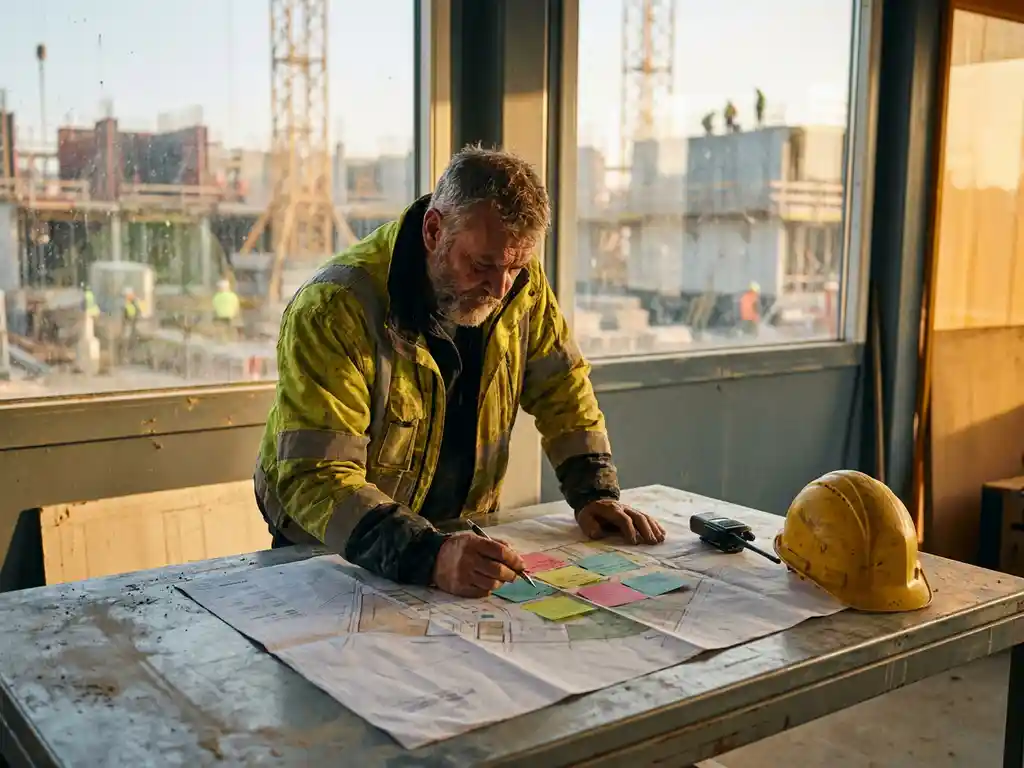
Managing subcontractors across multiple job sites represents one of the most complex challenges in construction project management. Installation companies, particularly those in the sustainable energy sector, often juggle dozens of active projects simultaneously, each requiring specialized teams, precise scheduling, and seamless coordination between general contractors and subcontractors.
The complexity multiplies when projects span different geographical locations, involve various technical specializations, and operate under tight deadlines. Without proper systems in place, contractors risk project delays, cost overruns, and quality issues that can damage client relationships and profitability.
Centralized Communication Systems for Multi-Site Coordination
Effective multi-site subcontractor management begins with establishing centralized communication channels that eliminate information silos and ensure all stakeholders stay aligned. Traditional methods like email chains and phone calls quickly become unwieldy when coordinating multiple teams across different locations.
Modern contractors implement integrated communication platforms that consolidate project updates, document sharing, and task assignments in one accessible location. These systems enable real-time information flow between project managers, site supervisors, and subcontractor teams, regardless of their physical location. When changes occur at one site, all relevant parties receive immediate notifications, preventing miscommunication that could cascade into costly delays.
Digital communication hubs also maintain comprehensive audit trails of all project communications. This documentation proves invaluable for resolving disputes, tracking decision-making processes, and ensuring compliance with safety regulations across all job sites. The centralized approach reduces the administrative burden on project managers while improving accountability among all team members.
Scheduling and Resource Allocation Strategies
Strategic scheduling across multiple job sites requires sophisticated resource allocation that balances project priorities, subcontractor availability, and equipment deployment. Successful contractors develop master scheduling systems that visualize all active projects simultaneously while identifying potential conflicts before they impact project timelines.
Advanced scheduling approaches utilize drag-and-drop interfaces that allow project managers to quickly reassign teams based on changing priorities or unexpected delays. These systems consider factors like travel time between sites, specialized skill requirements, and equipment dependencies when proposing optimal schedules. Smart scheduling algorithms can automatically suggest the most efficient deployment of resources to minimize downtime and maximize billable hours.
Resource allocation becomes particularly critical when managing specialized subcontractors who may work across multiple projects simultaneously. Effective systems track subcontractor certifications, availability windows, and performance metrics to ensure the right teams are assigned to appropriate tasks. This strategic approach reduces project delays while optimizing subcontractor utilization rates across the entire project portfolio.
Quality Control and Progress Monitoring Across Sites
Maintaining consistent quality standards across multiple job sites requires systematic monitoring processes that provide real-time visibility into project progress and potential issues. Digital progress tracking eliminates the delays inherent in traditional reporting methods while ensuring quality standards remain consistent regardless of location.
Modern quality control systems implement standardized checklists and inspection protocols that subcontractors complete digitally at each project milestone. These systems capture photographic evidence, timestamp completion activities, and automatically flag any deviations from established quality standards. Project managers gain immediate visibility into work quality across all sites without requiring physical presence at each location.
Progress monitoring extends beyond quality checks to include comprehensive project status tracking through visual management tools. Kanban-style boards provide at-a-glance visibility into project phases, allowing managers to identify bottlenecks or delays across their entire project portfolio. This systematic approach enables proactive intervention when issues arise, rather than reactive problem-solving after delays have already impacted project timelines.
Common Multi-Site Management Challenges to Avoid
The most frequent pitfall in multi-site subcontractor management involves inadequate information sharing between project teams. When subcontractors lack access to updated project specifications or design changes, rework becomes inevitable, leading to cost overruns and schedule delays. Establishing clear information distribution protocols prevents these costly miscommunications.
Another critical challenge involves inconsistent project management approaches across different sites. When project managers use different tools, reporting formats, or communication methods, coordination becomes exponentially more difficult. Standardizing project management methodologies across all sites creates predictable workflows that subcontractors can easily adapt to, regardless of which project they’re assigned to.
Resource scheduling conflicts represent another common challenge that can derail multiple projects simultaneously. When subcontractors are double-booked or equipment conflicts arise, the ripple effects impact entire project portfolios. Implementing centralized resource management prevents these conflicts while optimizing resource utilization across all active projects. The key lies in maintaining real-time visibility into resource availability and implementing automated conflict detection before scheduling issues become critical problems.
How OpusFlow Streamlines Multi-Site Subcontractor Management
OpusFlow addresses these complex coordination challenges through our integrated project management platform that centralizes all communication, schedules, and progress tracking across unlimited job sites. Our system eliminates the scattered tools approach that creates information silos, instead providing a unified workspace where all project stakeholders maintain complete visibility into project status and requirements.
Key capabilities that streamline subcontractor management include:
- Automated task assignment and scheduling that prevents conflicts while optimizing resource allocation across multiple sites
- Real-time progress tracking through intuitive Kanban boards that provide instant visibility into project status across your entire portfolio
- Integrated communication tools that ensure all team members receive critical updates immediately, regardless of their location
- Advanced workflow automation that creates tasks automatically when project milestones are reached, ensuring nothing falls through the cracks during busy periods
- AI-powered insights through Toni that provide instant answers about project status, resource availability, and potential scheduling conflicts
Our platform is specifically designed for sustainable installation companies managing complex multi-site operations, from solar installations to heat pump deployments. Contact our team to discover how OpusFlow can transform your subcontractor management processes and eliminate the coordination challenges that impact project profitability.
Related Articles
- How do you show a homeowner their 25-year battery return in one appointment?
- Why do battery deals close faster when ROI is calculated on-site rather than sent later?
- How do you measure which projects are making money and which are not?
- How can small installation companies benefit from data-driven decision making?
- What role does business software play in making installation companies more sustainable?