The global energy transition is entering a new and more urgent phase.
Recent geopolitical tensions have highlighted how vulnerable traditional energy systems still are. Events in key energy regions have shown that relying on imported fossil fuels is not just an environmental issue, but also a strategic risk. According to DNV,
disruptions in supply chains and energy flows are already reshaping how countries approach their energy future.
As a result, energy is no longer only about sustainability. It is increasingly about security, independence, and control.
While governments continue to set ambitious targets, the real challenge has shifted. The question is no longer what needs to be done, but who will actually deliver it.
The answer is becoming clear. Installers are moving to the center of the energy transition.
So what does this shift actually mean for installers on the ground? And how can you prepare for what is coming next? That is exactly what we will explore in this blog.
From energy strategy to real-world execution
For years, the energy transition was driven by innovation, policy, and long-term planning. That phase has matured. The technologies required to decarbonize energy systems are already widely available.
Solar panels are now standard. Battery storage is becoming mainstream. Heat pumps are rapidly replacing gas-based systems. Electric vehicle infrastructure is expanding across Europe.
The bottleneck is no longer technology.
The bottleneck is execution.
Across Europe, there is a growing gap between ambition and implementation. Governments are accelerating policies, businesses are investing, and consumers are increasingly willing to adopt sustainable solutions. However, turning these plans into reality requires large-scale deployment.
This is where installers come in. They are no longer just service providers. They are becoming the key enablers of the entire transition.
Why installers are at the center of the energy transition
The role of installers is expanding quickly as the energy transition moves from planning to execution. What used to be relatively straightforward installation work is now becoming more strategic, more complex, and more essential to the success of the entire system.
Several key shifts explain why installers are no longer just part of the process, but are now at the center of it.
Energy systems are becoming decentralized
One of the biggest structural changes in the energy landscape is the shift from centralized production to decentralized generation.
Instead of relying only on large power plants, energy is now being produced closer to where it is consumed. Homes, office buildings, and industrial sites are all becoming active participants in the energy system.
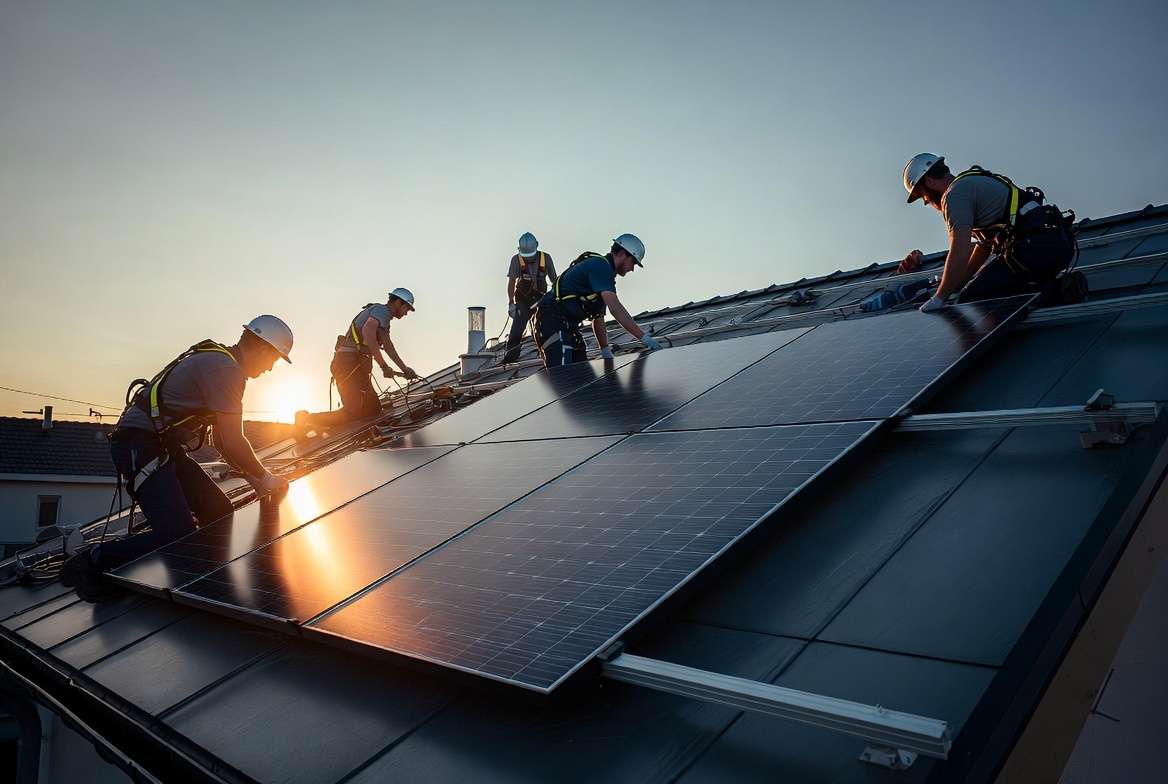
Rooftop solar installations are a clear example of this shift. Businesses are investing in on-site generation to reduce dependency on external suppliers. Residential users are looking for more control over their energy consumption and costs.
This transformation means that every building becomes a potential energy project. As a result, the number of installations required increases significantly.
For installers, this creates a structural increase in demand that is not tied to a single trend, but to a fundamental redesign of the energy system.
Electrification is accelerating across sectors
At the same time, electrification is expanding rapidly across multiple sectors.
Heating systems are shifting from gas to electric heat pumps. Transportation is moving toward electric vehicles. Industrial processes are increasingly being electrified to reduce emissions and improve efficiency.
Each of these changes requires physical infrastructure. Heat pumps need to be installed. Charging stations need to be deployed. Electrical systems often need to be upgraded to handle higher loads.
This creates a compounding effect. As more sectors electrify, the demand for installation capacity grows across residential, commercial, and industrial markets.
One Platform to Run Your Entire Installation Business
Manage leads, projects, stock, and invoicing — everything in one smart system built for sustainable installers.
Speed and scale are becoming critical
Another important shift is the pace at which the transition needs to happen.
European governments are introducing stricter regulations, offering subsidies, and setting clear deadlines for reducing emissions. This creates urgency in the market. Projects that might have been planned over several years are now being accelerated.
For installers, this means that demand is not only increasing, but also becoming more time-sensitive.
The ability to deliver projects efficiently, without delays, is becoming a key competitive advantage.
Energy systems are becoming more complex
Modern energy systems are no longer simple, standalone installations.
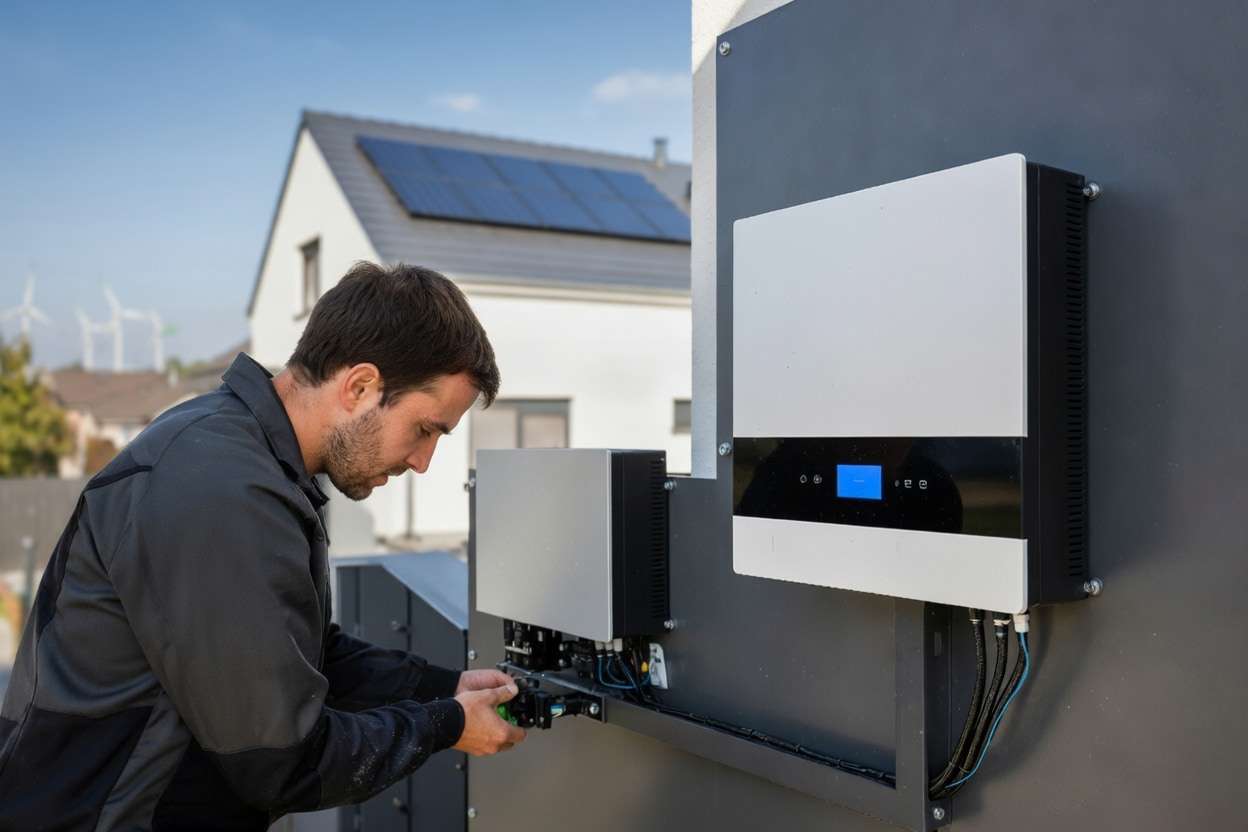
A typical project today may include solar panels, battery storage, EV charging infrastructure, and smart energy management systems. These components need to work together seamlessly.
This increases the complexity of installations. It also changes the role of the installer.
Installers are no longer just executing predefined tasks. They are increasingly acting as system integrators who design, configure, and optimize complete energy solutions.
Key growth areas for sustainable installation
While the overall demand for sustainable installations is increasing, not all segments are growing at the same pace. Some technologies are clearly emerging as priority areas across Europe, driven by policy, market demand, and technical necessity.
For installers, understanding where this growth is happening is essential for positioning their services and scaling their business.
Solar installations continue to dominate the market
Solar energy remains one of the fastest-growing segments in the energy transition. Both residential and commercial markets are expanding, with a noticeable increase in larger rooftop projects for businesses.
However, solar projects are becoming more complex. Factors such as grid limitations, shading, and system optimization play a bigger role than before.
This is where digital tools are becoming essential. Solar design software allows installers to create accurate system layouts, simulate performance, and reduce costly errors before installation begins. Solutions like OpusFlow’s solar design software help streamline this process and improve project efficiency.
Battery storage is becoming essential
Battery storage is rapidly moving from a niche solution to a core component of modern energy systems.
In markets like the Netherlands, where grid congestion is a growing issue, storage solutions are becoming critical for both businesses and homeowners. Batteries allow users to store excess energy, manage peak loads, and increase energy independence.
However, sizing and configuring battery systems is not straightforward. It requires careful analysis of consumption patterns, production capacity, and financial return.
Digital tools can simplify this process. A battery calculator helps installers quickly determine the optimal system size for each project.
Heat pumps are driving electrification of heating
The transition away from gas is particularly visible in the heating sector.
Heat pumps are becoming the standard solution in many European countries, driven by policy incentives and rising gas prices. This creates strong and consistent demand for installers, especially in residential retrofit projects.
At the same time, installing heat pumps often requires adjustments to existing systems, which increases the technical complexity of projects.
EV charging infrastructure is expanding rapidly
The growth of electric vehicles is creating a parallel demand for charging infrastructure.
Both residential and commercial installations are increasing, as more consumers switch to EVs and businesses electrify their fleets. In many regions, infrastructure development is still lagging behind adoption rates.
This creates a clear opportunity for installers to expand their services into EV charging solutions.
Smart energy systems are shaping the future
Beyond individual technologies, the real value is shifting toward integration.
Smart energy systems allow users to manage production, storage, and consumption in a coordinated way. This improves efficiency, reduces costs, and helps balance grid demand.
For installers, this represents a move toward higher-value projects that require both technical expertise and system-level thinking.
What this means for key European markets
Although the overall direction of the energy transition is similar across Europe, local conditions play a major role in shaping how markets evolve. Regulations, grid infrastructure, and adoption rates differ significantly from country to country.
For installers, this means that opportunities and challenges are not uniform. Understanding these regional differences can help identify where to focus and how to adapt services.
The Netherlands, focus on smart and efficient systems
The Dutch market is facing increasing grid congestion, which is limiting the ability to connect new installations.
As a result, the focus is shifting from simply adding capacity to optimizing existing systems. Battery storage, smart energy management, and efficient system design are becoming more important.
Installers who can offer integrated solutions will be better positioned in this market.
Belgium, strong residential demand and policy support
Belgium continues to see strong growth in residential installations, particularly in solar and battery storage.
Regional policies, especially in Flanders, are encouraging adoption. At the same time, the market remains fragmented, which creates opportunities for specialized installers to differentiate themselves.
Germany, scale, demand, and operational challenges
Germany remains the largest energy transition market in Europe.
Demand for heat pumps and commercial solar installations is particularly strong. However, the market also faces challenges such as labor shortages and operational inefficiencies.
Installers who can scale their operations effectively will have a significant advantage.
Spain, high solar potential and growing adoption
Spain offers some of the best conditions for solar energy in Europe.
The market is experiencing rapid growth, driven by favorable climate conditions and increasing interest in self-consumption. While battery storage is still developing, it is expected to grow as the market matures.
For installers, Spain represents a high-volume opportunity with strong long-term potential.
One Platform to Run Your Entire Installation Business
Manage leads, projects, stock, and invoicing — everything in one smart system built for sustainable installers.
The real challenge is not demand, but delivery
The growth in demand for sustainable installations is clear across all markets. However, demand alone does not guarantee progress. The ability to deliver projects efficiently and at scale is becoming the defining factor for success.
Across Europe, many installers are already experiencing pressure on capacity. Skilled labor shortages, increasing project complexity, and fragmented workflows can slow down deployment and reduce profitability.
This is where digitalization plays an important role. Tools that support design, calculation, and project management allow installers to work more efficiently and handle a higher volume of projects without sacrificing quality.
The energy transition will be built by installers
The energy transition is no longer an abstract concept. It is happening on rooftops, in buildings, and across businesses every day.
While strategies and policies set the direction, progress ultimately depends on execution.
Installers are the ones turning plans into reality.
Those who can work efficiently, manage complexity, and scale their operations will not just benefit from the energy transition.
They will play a defining role in shaping it.
But as demand continues to grow across Europe, one thing is becoming clear. The opportunity is massive, but so is the pressure to deliver faster, smarter, and at scale.
The question is no longer whether the market will grow.
The real question is:
Will you be ready to keep up when demand accelerates, or will others take the lead because they invested earlier in the tools and systems needed to scale?
If you want to stay ahead, increase your installation capacity, and handle more projects without adding unnecessary complexity, now is the time to invest in the right tools.
Book a demo with us and see how you can streamline your workflows, improve project efficiency, and scale your operations with confidence.