Home battery systems are becoming a standard part of residential energy setups, particularly for households that already have solar panels or are planning to add them. For installation companies, one of the most common questions from project coordinators and sales teams alike is: how long does the actual installation take? The answer is rarely a single number. Installation timelines depend on a combination of technical, administrative, and logistical factors that vary from job to job. Understanding those variables is essential for setting accurate expectations, planning crew schedules, and keeping projects on track.
Whether a company is managing a handful of installations per month or scaling toward dozens per week, having a clear picture of the full timeline from the first site visit to final sign-off helps avoid the kinds of delays that erode margins and damage client relationships. This article breaks down what to expect at each stage of the process.
Typical installation timeline for a home battery
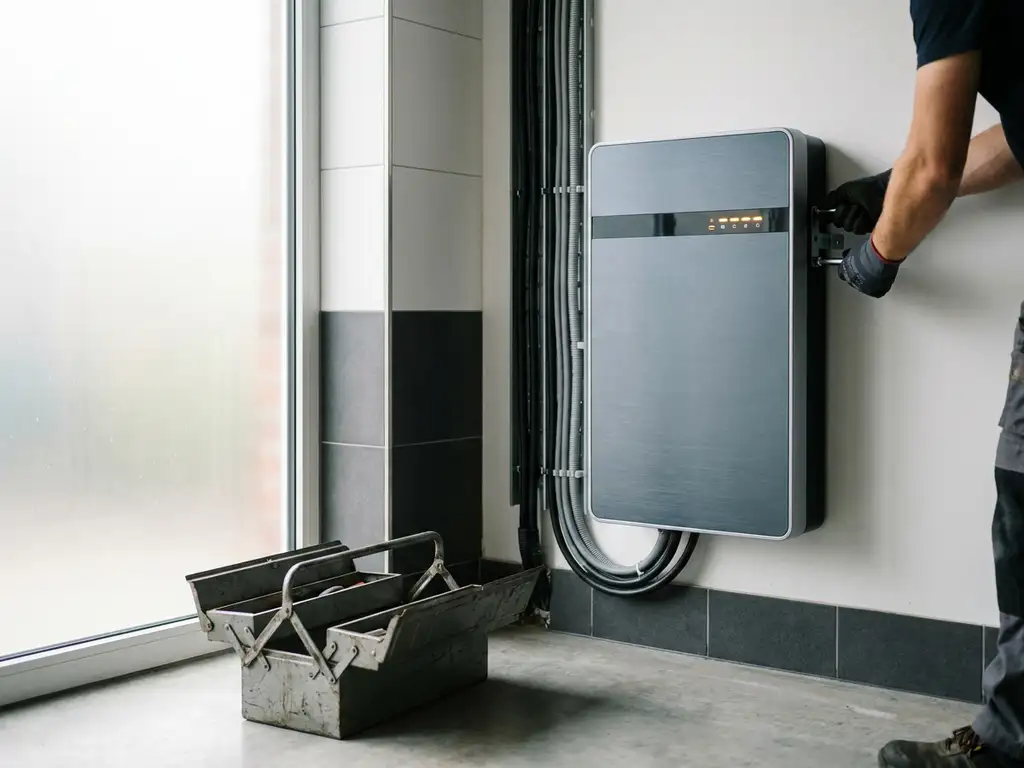
The physical installation of a home battery system typically takes between four and eight hours for a standard residential setup. That assumes the site is prepared, the equipment is on hand, and no unexpected complications arise during the job. For more complex installations involving larger battery stacks, integration with an existing solar system, or older electrical infrastructure, the on-site work can extend to a full day or beyond.
However, the on-site installation time is only one piece of the timeline. From the moment a customer signs a contract to the moment the system is fully commissioned and handed over, the total process often spans anywhere from two to six weeks. This wider window accounts for equipment procurement, scheduling, permitting, and grid connection procedures. For installation companies managing multiple crews and high job volumes, that full-cycle timeline has a direct impact on revenue flow and capacity planning.
Factors that affect how long installation takes
Several variables can compress or extend an installation timeline, and experienced project managers learn to anticipate them during the quoting and planning phase rather than discovering them on the day of installation.
Site conditions and existing infrastructure
The condition of the property’s electrical system is one of the most significant factors. Older fuse boxes, inadequate cable runs, or limited wall space for mounting can all add time to a job. Properties with existing solar installations may require additional configuration work to ensure the battery integrates correctly with the inverter and monitoring systems. A thorough pre-installation survey is the most reliable way to surface these issues before they become on-site delays.
Battery system size and complexity
Single-unit battery systems designed for standard residential use are generally straightforward to install. Multi-unit configurations, high-capacity systems, or setups that include both a battery and an EV charger require more planning, more cabling, and often more coordination between trades. Using a solar battery calculator during the quoting phase helps teams size systems accurately and anticipate the scope of work before committing to a schedule.
Equipment availability
Supply chain variability remains a real factor in 2026. Lead times for specific battery brands or inverter models can shift depending on demand and logistics. Companies that maintain proactive stock management and strong supplier relationships are better positioned to keep installation timelines predictable.
Grid connection and permit approval timelines
Administrative processes are often the longest part of the overall timeline, and they are largely outside an installer’s direct control. Grid connection approvals and permit requirements vary significantly by country and even by region within a country.
In the Netherlands and Belgium, grid operators typically require notification or approval before a battery system can be connected to the grid. Processing times can range from a few days to several weeks depending on the operator and the complexity of the installation. In Germany, registration requirements with the Marktstammdatenregister add another administrative step that must be completed before or shortly after commissioning. Spain has its own set of regional regulations that can introduce additional variation.
For installation companies operating across multiple markets, tracking these requirements manually across dozens of active projects creates a significant administrative burden. Standardizing the documentation process and building permit timelines into project schedules from the outset is the most effective way to prevent these steps from becoming bottlenecks. Companies that are proactive about submitting grid connection requests early in the process consistently achieve shorter overall project durations.
How installers can speed up the process
Reducing installation timelines is not just about working faster on site. The biggest gains come from improving coordination across the entire process, from the initial site assessment through to final handover.
- Standardize pre-installation surveys: A consistent checklist-based survey process ensures that every relevant detail is captured before scheduling, reducing the likelihood of surprises on installation day.
- Submit grid applications early: Triggering the grid connection request as soon as a contract is signed rather than waiting until installation is complete can shave weeks off the total timeline.
- Optimize crew scheduling: Matching the right crew to each job based on skill set and location reduces travel time and ensures complex installations are handled by experienced technicians.
- Maintain accurate stock levels: Real-time inventory visibility allows project planners to confirm equipment availability before committing to an installation date, avoiding last-minute procurement delays.
- Use digital forms and documentation: Replacing paper-based handover documents with digital forms that feed directly into project records speeds up commissioning and reduces administrative rework.
The companies that consistently complete installations on time are those that treat the administrative and logistical steps with the same rigor as the technical work. Operational efficiency across the full project lifecycle is what separates high-performing installation businesses from those that struggle with delays and cost overruns.
How OpusFlow helps manage battery installation projects
Managing battery installation timelines across multiple crews, markets, and regulatory environments requires more than a spreadsheet. OpusFlow is built specifically for sustainable installation companies and brings every stage of the project lifecycle into a single platform, reducing the coordination overhead that causes delays and erodes margins.
- Integrated planning and scheduling: Connect sales pipeline milestones directly to crew scheduling so installation dates are confirmed with full visibility of resource availability.
- Stock and procurement management: Track battery inventory in real time and trigger purchase orders automatically when stock levels fall below the threshold, preventing equipment-related delays.
- Digital forms and project documentation: Standardize pre-installation surveys, commissioning checklists, and handover documents so nothing falls through the cracks between office and field.
- Built-in battery capacity calculator: Accurately size systems during the quoting phase to ensure the right equipment is specified and ordered from the start.
- Workflow automations: Automatically create tasks, notify team members, and trigger grid connection requests when deals move through the pipeline, removing manual handoffs from the process.
For installation companies looking to reduce project durations, improve crew utilization, and scale without adding administrative overhead, OpusFlow provides the operational foundation to make that possible. Get in touch with our team to see how the platform fits your business.
Related Articles
- How do you set up a SEPA Direct Debit mandate for a new customer?
- How is the European home battery market changing and what does it mean for installers?
- What are the benefits of ERP for small businesses?
- What does effective capacity planning look like for growing installation teams?
- How do solar installers create digital commissioning and handover reports?