A customer asks you a simple question:
“Should I install a heat pump now, or wait?”
Two years ago, the answer was easy.
Today, it isn’t.
The Dutch heat pump transition has shifted. The expected “mandatory from 2026” story is gone. New policies are pointing in a different direction. And as a result, customers hesitate, delay decisions, and ask more questions than ever.
If you understand what is really happening behind the heat pump transition, you can guide the customer and close the project. If not, the project stays “on hold”.
Heat pump transition policy: What changed
The earlier plan was clear. Back in 2022 the previous government announced that from 1 January 2026 every boiler replacement had to include at least a hybrid heat pump (or a full-electric alternative or district heating connection). The rule was meant to force the market forward and give installers a clear pipeline of work.
Yet the long-term direction is still very much alive.
- District heating will be rolled out where possible
- Hybrid and smart heat pumps will be the main solution elsewhere
- New standards and incentives are expected around 2029
3 key reasons why the heat pump transition is still growing
Even with changing policies, the heat pump transition continues to move forward. The reason is simple. It is driven by strong fundamentals, not just regulation.
1. Higher efficiency than gas systems
Unlike gas boilers that generate heat, heat pumps transfer it. According to the International Energy Agency, modern systems are typically three to five times more efficient. In practice, this means 1 kWh of electricity can deliver 3 to 5 kWh of heat (IEA, The Future of Heat Pumps, 2022).
A high-efficiency gas boiler, in comparison, converts only about 90 to 95 percent of fuel into usable heat. This difference is significant and directly reduces total energy consumption in a household.
2. Improving energy price dynamics
The financial case for heat pumps is closely linked to energy prices.
As gas becomes more expensive through taxation and market volatility, electricity becomes relatively more attractive. This gradually improves the payback of heat pump systems, especially in hybrid setups.
This shift is not temporary. It is part of a long-term policy direction across Europe to reduce fossil fuel use.
3. Strong European policy support
Heat pumps are seen as a key solution to reduce emissions and increase energy independence. According to the IEA, large-scale adoption could reduce global CO₂ emissions by around 500 million tonnes by 2030.
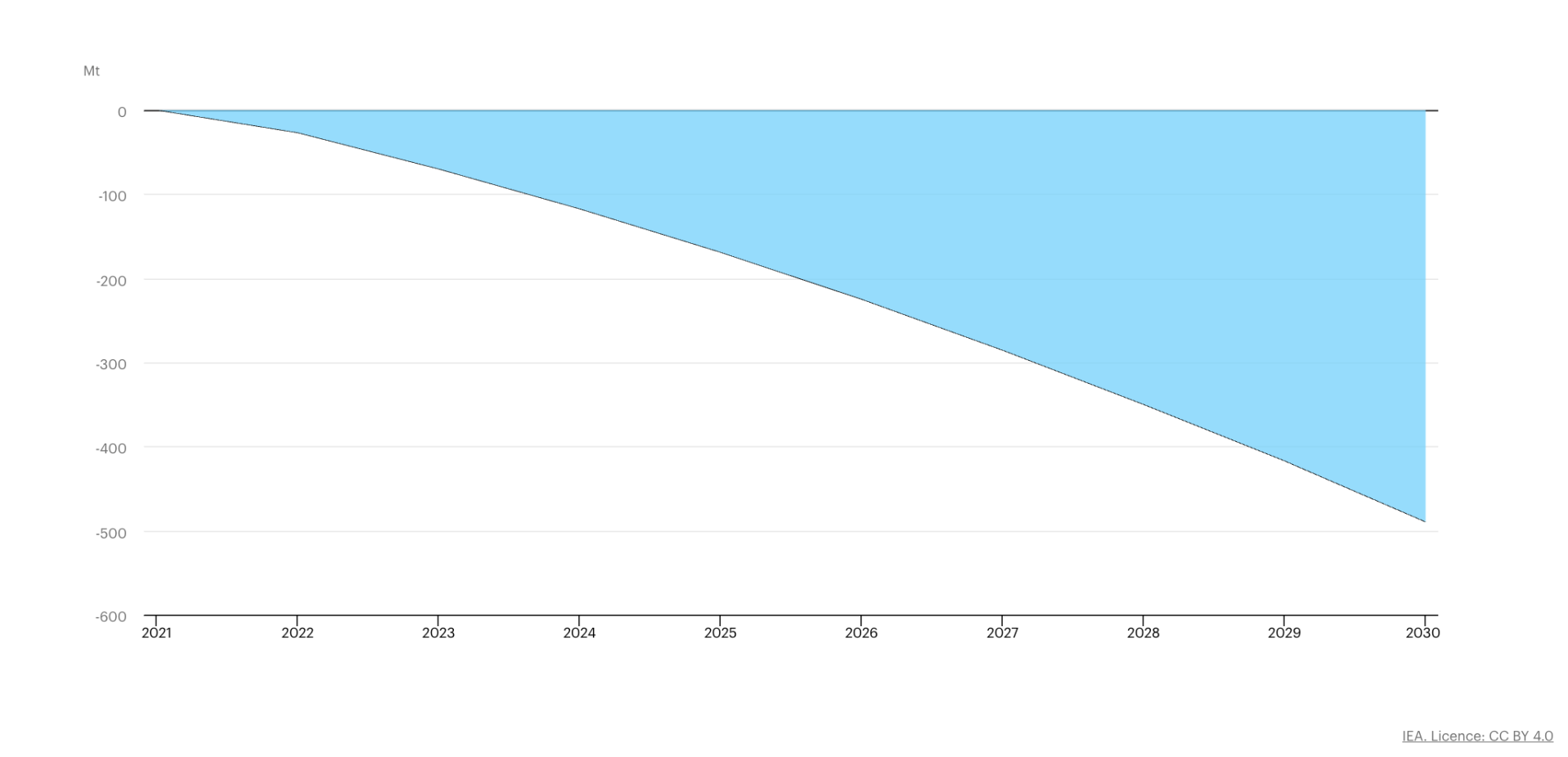
Because of this, governments continue to support adoption through incentives and long-term policy frameworks, even when specific national rules change. In the Netherlands that means the ISDE subsidy stays in place and municipalities keep pushing neighbourhood plans.
Real data behind heat pump savings
A Dutch demonstration project with hybrid heat pumps (Vereniging voor Duurzame Warmte, 2023) provides one of the clearest examples of actual performance.
The results from NL#Times are very concrete:
- Gas use dropped by almost 25%, from 1,381 m³ in 2020 to around 1040 m³ in 2024
- Electricity use increased by roughly 2,360 kWh per home
- Average yearly savings were close to €1,000 based on regulated energy prices
First, it confirms that hybrid heat pumps can deliver significant savings in real conditions. Second, it highlights that outcomes depend on system design, installation quality, and user behaviour.
This is where installers create value. Not just by installing equipment, but by ensuring that systems perform as expected.
One Platform to Run Your Entire Installation Business
Manage leads, projects, stock, and invoicing — everything in one smart system built for sustainable installers.

What such heat pump shift means to installers
Look, the removal of the 2026 hammer does not kill the market. It just makes your job more important.
Customers are no longer being forced. They are choosing. And when people choose, they ask tougher questions: “What will it really save me?”, “How fast do I get my money back?”, and “What happens if energy prices change again?”
The good news? The fundamentals have not changed. Efficiency is still better, prices are still moving in favour of electricity, and subsidies are still there. The transition is still happening. It is just happening one informed conversation at a time instead of one government decree at a time.
How OpusFlow’s heat pump calculator supports installers
OpusFlow is the all-in-one solution built for installation companies like yours, that support heat pumps, solar, batteries, and other sustainable technologies.
The core of this software for you right now is the built-in heat pump ROI calculator. You enter the customer’s current gas use and price, house details, local energy prices and the proposed system once. In seconds you get a clean, professional report that shows:
- Exact euro savings per year
- Payback period
- Total installation cost
- Graphs and tables with calculated data and predictions
The ROI report is automatically added to the quotation, that you can send via the customer portal, and the homeowner can open it even on their phone, see the numbers live, and sign digitally. No more “I’ll think about it and get back to you.”

CRM that keeps every lead, note and follow-up in one place.
Quotation module that creates professional offers in minutes (unlimited per project).
Project management with smart scheduling so your teams are never double-booked.
Customer portal so clients can track their own project and feel involved.
Automations that chase unpaid invoices or send maintenance reminders.
And more…
Book a demo with OpusFlow and see for yourself how the heat pump ROI calculator can turn “maybe later” into “let’s schedule the installation” Your next project is waiting. Let’s make it happen.