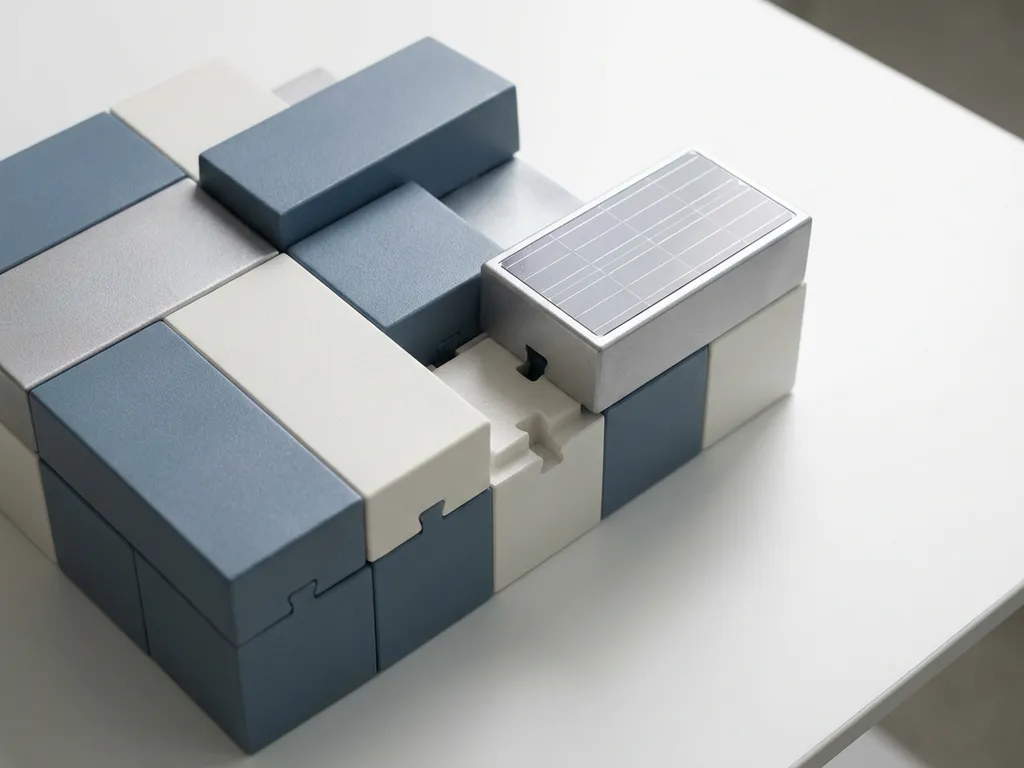
Traditional Enterprise Resource Planning (ERP) systems often force businesses into rigid, one-size-fits-all solutions that struggle to adapt to specific industry needs. Modular ERP represents a fundamental shift in how companies approach business software, offering flexible, component-based systems that can be customized and scaled according to unique operational requirements. For sustainable installation companies managing complex workflows from initial customer contact to project completion, understanding modular ERP architecture becomes crucial to operational success.
A modular ERP system breaks down comprehensive business functionality into discrete, interconnected modules that work together seamlessly while maintaining individual specialization. This approach allows organizations to implement specific modules based on immediate needs, then expand their system capabilities as business requirements evolve, creating a more strategic and cost-effective path to digital transformation.
How Modular Architecture Transforms Traditional ERP Systems
Modular ERP systems fundamentally restructure how businesses approach enterprise software by replacing monolithic architectures with flexible, component-based solutions. Traditional ERP systems typically require organizations to adopt entire software suites, regardless of whether they need every included feature, leading to unnecessary complexity and higher costs.
The modular approach divides comprehensive ERP functionality into specialized components that communicate through standardized interfaces and APIs. Each module focuses on specific business functions such as customer relationship management, project planning, inventory management, or financial reporting. This architecture enables organizations to select and implement only the modules they actually need, creating more targeted and efficient solutions.
Integration capabilities represent a critical advantage of modular ERP architecture. Modern modular systems feature API-first designs that facilitate seamless connections between different modules and external business tools. This connectivity ensures that data flows smoothly across all business functions while maintaining system flexibility and preventing vendor lock-in scenarios that commonly plague traditional ERP implementations.
The scalability benefits of modular architecture become particularly evident as businesses grow and evolve. Organizations can add new modules, upgrade existing components, or integrate third-party solutions without disrupting their entire system infrastructure. This evolutionary approach to ERP implementation reduces risk, minimizes downtime, and provides more predictable upgrade paths compared to traditional system replacements.
Core ERP Modules for Sustainable Installation Companies
Sustainable installation companies require specialized ERP modules that address the unique challenges of managing complex technical projects, regulatory compliance, and customer relationships across extended project timelines. The most essential modules for these businesses focus on customer management, project coordination, resource planning, and financial oversight.
Customer Relationship Management and Sales Pipeline
CRM modules designed for installation companies must handle extended sales cycles, technical consultations, and detailed project specifications. These systems track customer interactions from initial inquiry through project completion and ongoing maintenance relationships. Advanced CRM modules include automated lead qualification, proposal generation capabilities, and integration with technical assessment tools that help sales teams provide accurate project estimates.
Sales pipeline management becomes particularly complex for sustainable installation projects due to regulatory approvals, financing considerations, and technical site assessments. Specialized CRM modules track these multi-stage processes, automatically creating tasks for different team members as projects progress through various approval stages, ensuring no critical steps are overlooked during the sales process.
Project Management and Planning Systems
Project management modules for installation companies must coordinate multiple resource types, including specialized technicians, equipment, materials, and external contractors. These systems provide visual project tracking through Kanban boards, automated task assignment based on employee skills and availability, and real-time project status updates that keep all stakeholders informed.
Planning modules integrate closely with project management systems to optimize resource allocation and minimize scheduling conflicts. Advanced planning functionality includes strip planning capabilities that break large projects into manageable tasks, automated calendar integration, and intelligent scheduling proposals that consider travel time, equipment availability, and technician specializations when creating work schedules.
Inventory and Procurement Management
Installation companies require sophisticated inventory management that tracks specialized equipment, maintains optimal stock levels for various project types, and manages supplier relationships for both standard and custom components. These modules provide real-time inventory visibility, automated reorder points, and integration with supplier systems for streamlined procurement processes.
Procurement modules must handle the complexity of sustainable technology supply chains, including long lead times for specialized equipment, warranty tracking for installed components, and compliance documentation for regulatory requirements. Advanced systems include vendor performance tracking, automated purchase order generation, and integration with project management modules to ensure materials arrive precisely when needed.
Benefits of Implementing Modular ERP Solutions
Modular ERP implementation delivers significant operational and financial advantages that compound over time as organizations optimize their business processes. The most immediate benefit involves reduced implementation complexity, as businesses can deploy specific modules based on priority needs rather than attempting comprehensive system overhauls that disrupt operations and strain resources.
Cost optimization represents a major advantage of modular ERP systems, particularly for growing installation companies. Organizations pay only for the functionality they actually use, avoiding the substantial licensing fees associated with comprehensive ERP suites that include unused features. This approach enables more predictable budgeting and allows companies to invest in additional modules as revenue and operational complexity increase.
Customization flexibility becomes crucial for installation companies operating in rapidly evolving sustainable technology markets. Modular systems accommodate industry-specific requirements through specialized modules while maintaining integration with standard business functions. This flexibility enables companies to adapt quickly to new technologies, regulatory changes, or market opportunities without requiring complete system replacements.
The learning curve advantages of modular implementation cannot be overstated. Teams can master individual modules before expanding to additional functionality, reducing training complexity and improving user adoption rates. This gradual approach to system deployment minimizes disruption to daily operations while building organizational confidence in the new technology platform.
Data integration and reporting capabilities improve significantly with modular ERP systems that feature robust API architectures. Organizations can connect their ERP modules with existing business tools, maintain data consistency across platforms, and generate comprehensive reports that span multiple business functions. This integration eliminates data silos and provides management with complete visibility into business operations.
Common Modular ERP Implementation Challenges
Despite their advantages, modular ERP implementations present specific challenges that organizations must address proactively to ensure successful deployment. Integration complexity tops the list of potential issues, as connecting multiple modules and external systems requires careful planning and technical expertise to maintain data consistency and system performance.
Module selection decisions can significantly impact long-term system effectiveness. Organizations often struggle to identify which modules provide the most immediate value versus those needed for future growth. This challenge requires thorough business process analysis and a clear understanding of both current operational needs and strategic growth objectives.
Data migration represents another critical challenge when implementing modular ERP systems. Installation companies typically operate with multiple existing software tools, each containing valuable historical data that must be consolidated and standardized for the new system. This process requires careful data mapping, cleansing, and validation to ensure information accuracy and completeness.
Change management becomes particularly important for modular implementations, as different teams may adopt new modules at various times, creating temporary workflow inconsistencies. Organizations must develop comprehensive training programs, establish clear communication protocols, and provide ongoing support to ensure smooth transitions between old and new processes.
Vendor evaluation and selection require careful consideration of long-term partnership potential rather than just immediate functionality. The success of modular ERP systems depends heavily on vendor responsiveness, development roadmaps, and integration capabilities. Organizations must assess vendor stability, support quality, and alignment with industry-specific requirements before making implementation commitments.
How OpusFlow Helps with Modular ERP Implementation
We designed OpusFlow as a comprehensive modular ERP solution specifically tailored for sustainable installation companies, addressing the unique challenges these businesses face while providing the flexibility to scale operations efficiently. Our platform eliminates the complexity of managing multiple software packages by integrating essential business functions into specialized modules that work seamlessly together.
OpusFlow’s modular architecture provides installation companies with targeted solutions across critical business areas:
- Advanced CRM capabilities with automated lead management and sales pipeline optimization designed for extended installation project cycles
- Intelligent project management and planning systems featuring strip planning, automated task assignment, and real-time resource optimization
- Comprehensive inventory and procurement management with specialized equipment tracking and supplier integration capabilities
- Native AI integration through Toni that transforms business data into instant, actionable insights without requiring separate business intelligence tools
- Workflow automation that eliminates routine administrative tasks and ensures consistent follow-up across all customer touchpoints
Our API-first approach ensures seamless integration with existing business tools while providing the flexibility to add new capabilities as your business grows. With dedicated onboarding support, comprehensive training resources, and award-winning customer service, we help installation companies transition smoothly to modular ERP systems that drive operational efficiency and business growth. Contact our team to discover how OpusFlow’s modular ERP solution can transform your installation business operations.
Related Articles
- Is a digital signature legally binding for a service contract in the EU?
- How do you create standardized contract types for your sales team?
- How does grid arbitrage work and when does it improve battery ROI?
- What workforce planning features should installation companies prioritise?
- What are the key benefits of using ERP software for installation businesses?