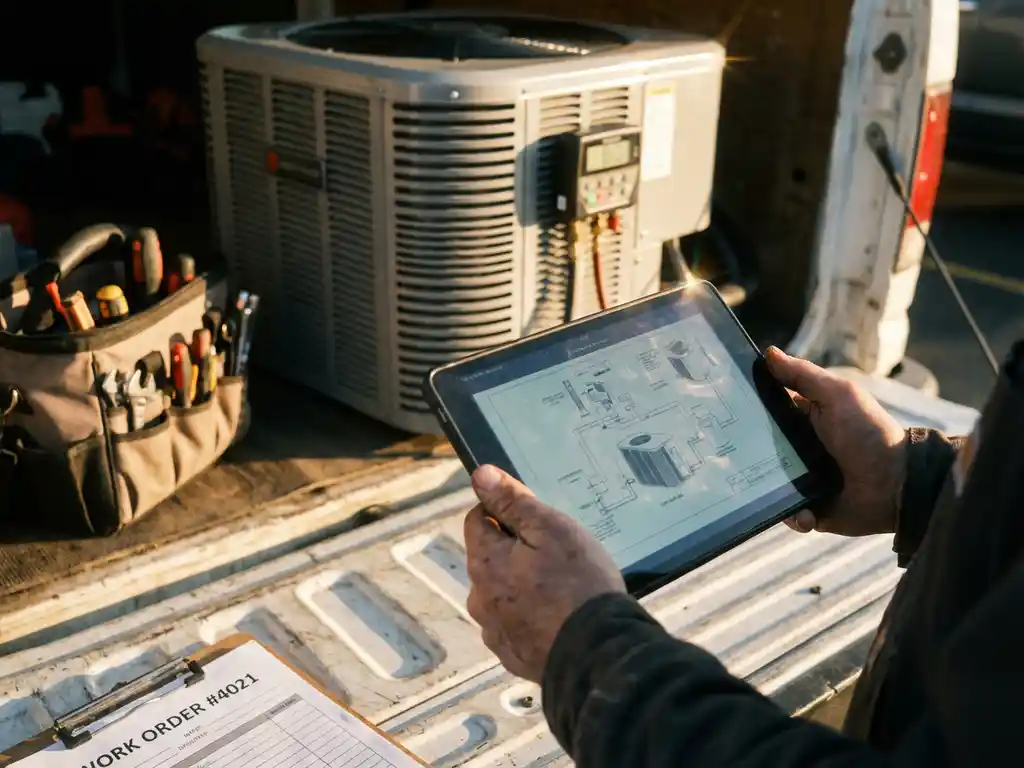
ERP systems significantly improve efficiency for heat pump installation businesses by centralising project management, automating workflows, and eliminating operational bottlenecks. These comprehensive platforms address common challenges such as inventory tracking, scheduling conflicts, and compliance documentation while streamlining processes from the initial quote through final installation and aftercare.
What specific challenges do heat pump installation businesses face that ERP systems can solve?
Heat pump installation companies face complex operational challenges that ERP systems are specifically designed to address. Project coordination difficulties, inventory shortages, scheduling conflicts, and compliance documentation requirements create significant inefficiencies without proper system integration.
Project management complexities arise when installation teams juggle multiple jobs simultaneously. Without centralised oversight, projects overlap, resources are double-booked, and customer communications fall through the cracks. Heat pump installation companies benefit from unified project dashboards that provide real-time visibility across all active installations.
Inventory tracking presents another major hurdle for heat pump installer management. HVAC components require precise ordering to match specific installation requirements, and stockouts can delay entire projects. Manual inventory systems often fail to account for components allocated to upcoming jobs, leading to unexpected shortages.
Compliance documentation adds an administrative burden that diverts technical staff from billable work. Heat pump installations must meet strict environmental regulations and building codes, requiring detailed documentation throughout the installation process. ERP systems automate compliance reporting and maintain audit trails without manual intervention.
How does ERP software streamline the heat pump installation process from quote to completion?
ERP software creates a seamless workflow that automates the entire heat pump installation lifecycle. Lead management systems capture enquiries, while integrated calculation tools generate accurate quotes based on technical specifications and current material costs.
The process begins with automated lead capture and qualification. When potential customers submit enquiries, the system creates project records and automatically assigns sales representatives. Technical calculation modules factor in property specifications, heat pump sizing requirements, and installation complexity to generate precise quotes without manual calculations.
Project planning becomes automated once quotes are accepted. The system schedules installation teams based on availability and proximity, while simultaneously reserving the required inventory components. Resource allocation considers technician specialisations and certification requirements for specific heat pump models.
Progress tracking provides real-time updates to customers through integrated portals. Installation teams update project status using mobile applications, triggering automatic notifications to customers about arrival times, completion milestones, and any scheduling changes. This transparency reduces customer service enquiries while building trust.
OpusFlow’s all-in-one platform exemplifies this integrated approach, combining project management with specialised heat pump calculators, automated workflow management, and comprehensive CRM capabilities designed specifically for sustainable installation companies.
What are the key ERP features that matter most for heat pump installation companies?
Essential ERP functionalities for heat pump businesses include specialised calculation tools, intelligent inventory management, scheduling optimisation, and comprehensive compliance reporting. These features address the unique operational requirements of sustainable installation companies.
Heat pump calculation modules automatically size systems based on property heat-loss calculations, occupancy patterns, and efficiency requirements. OpusFlow’s platform includes built-in heat pump calculators that eliminate manual calculations while ensuring installations meet performance specifications and regulatory standards.
Inventory management systems designed for HVAC components track serial numbers, warranty periods, and compatibility requirements. The software automatically reorders components based on scheduled installations and maintains optimal stock levels without tying up excessive capital.
Scheduling optimisation considers multiple variables, including technician availability, geographic proximity, and installation complexity. Advanced systems factor in weather conditions and permit requirements to minimise delays and maximise team productivity.
Customer portal access enables clients to track installation progress, access documentation, and communicate directly with project teams. This self-service capability reduces administrative overhead while improving customer satisfaction through transparency.
Integration capabilities allow seamless connections with industry-specific tools, including design software, supplier systems, and regulatory databases. OpusFlow’s API-first platform facilitates these connections without custom development requirements, ensuring smooth data flow across all business operations.
How long does it take to see efficiency improvements after implementing ERP in a heat pump business?
Most heat pump installation companies begin seeing efficiency improvements within 4–8 weeks of ERP implementation, with significant operational gains typically achieved within 3–6 months. The timeline depends on system complexity, staff training requirements, and the maturity of existing processes.
Initial setup phases typically require 2–4 weeks for data migration, system configuration, and basic user training. OpusFlow’s streamlined onboarding process helps companies transition smoothly while maintaining operational continuity through this critical period.
Staff training periods typically extend over 4–6 weeks as teams adapt to automated processes and integrated workflows. Early adopters usually demonstrate efficiency gains quickly, while broader adoption follows as confidence builds with system familiarity.
Process optimisation stages begin after initial implementation, typically showing measurable improvements in project completion times, inventory turnover, and customer satisfaction scores. Companies using OpusFlow often report 20–30% reductions in administrative time within the first quarter.
ROI milestones become apparent through reduced project delays, improved resource utilisation, and decreased administrative overhead. Most heat pump businesses achieve positive returns within 6–12 months through operational efficiencies and improved customer throughput.
Implementation success depends heavily on choosing ERP systems specifically designed for sustainable installation companies. OpusFlow’s purpose-built platform includes the specialised functionality required for heat pump installation workflows, ensuring faster adoption and more immediate efficiency gains compared to generic business software.
Related Articles
- How do you make battery ROI feel real to a customer who is skeptical?
- How do you match battery capacity to solar panel output?
- What is the difference between battery capacity and usable battery capacity?
- How does ERP software support solar panel installation companies specifically?
- What are the key performance indicators that ERP software can track for installers?