Still managing projects in different tools, copying data manually between systems, and sending reminders one by one because nothing is connected? That sounds familiar.
Many installation companies start looking for PV*SOL alternatives when they realize that simulation alone is not enough anymore. You also need smooth sales processes, clear project management, automation, and full visibility across your team.
At the same time, projects are becoming more complex. According to the European Commission’s energy performance framework, digital documentation and structured planning are becoming increasingly important across technical industries. And as highlighted by the International Energy Agency (IEA), system integration and efficiency are now key priorities in modern energy projects.
So the real question is: do you just need software to calculate systems – or do you need software to run your entire business?
If you’re searching for a practical PV*SOL alternative, here are 10 tools worth looking at.
If you don’t know how to choose the most suitable for your business software, read this: How to choose the best solar design software: features, benefits and examples.
1. OpusFlow: AI-powered all-in-one solution

OpusFlow is all-in-one operations software. It connects your entire workflow in one system – from lead to invoice. You get CRM, quoting, project management, planning tools, a built-in battery & ROI calculators, automations, and AI support to speed up daily tasks. Compared to some PV*SOL alternatives, OpusFlow is designed specifically for installation companies that want structure, automation, and real overview.
Advantages of OpusFlow
- All-in-one operations solution
- Built specifically for installation companies
- Integrated battery calculator
- AI-supported workflow features
Disadvantages of OpusFlow
- Not a dedicated high-detail 3D simulation software
2. Autarc: Best for fast AI-based system planning among PV*SOL alternatives
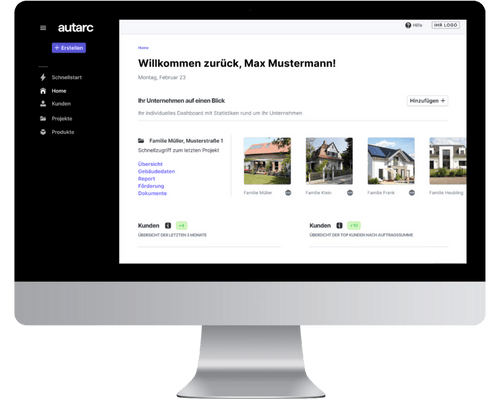
Need to create a PV proposal quickly? Autarc uses AI-supported roof analysis and automated system calculations to speed up early-stage planning. It helps installers move from inquiry to professional offer in a short time. The platform also supports heat pump planning, making it interesting for companies working with multiple renewable technologies.
Advantages of Autarc
- AI-based roof and system planning
- Supports PV and heat pump configuration
- Cloud-based software
- Designed for in-depth technical system planning
Disadvantages of Autarc
- Less detailed simulation depth
- Focused mainly on planning phase
3. Reonic: Digital sales tool for energy projects
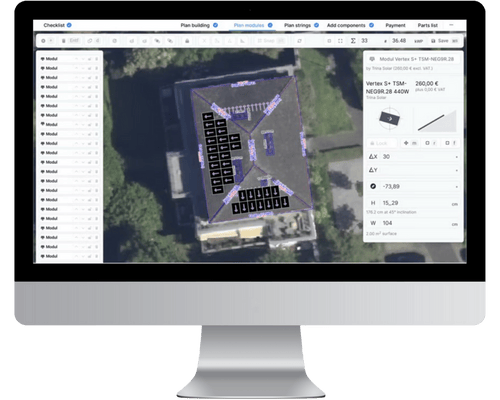
Want to configure PV, storage, wallboxes, and heat pumps in one proposal? Reonic focuses on digital product configuration and modern sales processes. Installers can generate structured offers and guide customers through different energy options. The interface is clean and sales-oriented, helping teams move faster from consultation to signed contract.
Advantages of Reonic
- Multi-product configuration
- Digital offer creation
- Cloud-based solution
- Sales-focused structure
Disadvantages of Reonic
- Not built as a detailed simulation tool
- No dedicated purchase & stock module
4. HERO Software: Craft management for SMEs
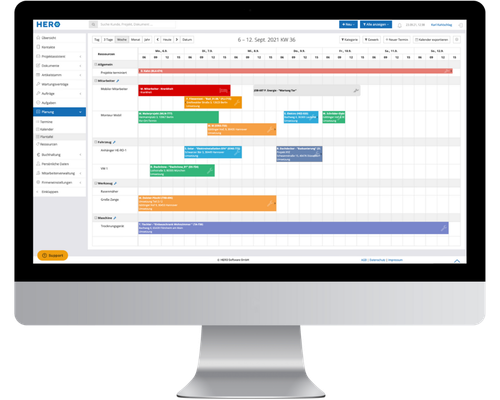
Looking for structured office management? HERO Software, a Germany-based software platform, is built for craft businesses and is also used by solar installers. It supports CRM, project management, invoicing, and mobile field documentation. If your focus is organizing office and field workflows rather than technical PV calculations, this can support daily operations.
Advantages of HERO Software
- CRM and invoicing tools
- Mobile app for field teams
- Built for German craft businesses
Disadvantages of HERO Software
- Not specialized in photovoltaic or energy system planning
- Designed as a general craft software, not exclusively for installation companies
5. Eturnity: Structured planning tool in PV*SOL alternatives
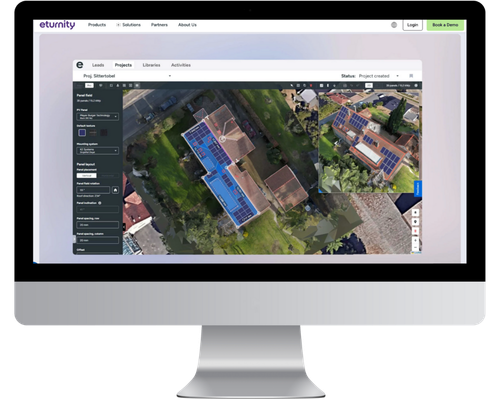
Eturnity, a Swiss B2B company, supports digital planning for PV systems, heat pumps, and energy concepts. It allows installers to calculate energy flows and create structured proposals. If you combine different technologies and want to present energy solutions clearly to customers, this software focuses on that consulting-driven approach.
Advantages of Eturnity
- PV and heat pump planning
- Energy and CO₂ calculations
- Cloud-based solution
- Strong DACH market presence
Disadvantages of Eturnity
- Limited CRM depth
- Simulation detail lower than specialized tools
Read also: OpusFlow vs Eturnity and compare features of these two software solutions.
6. Solargraf: Remote PV design & proposal software
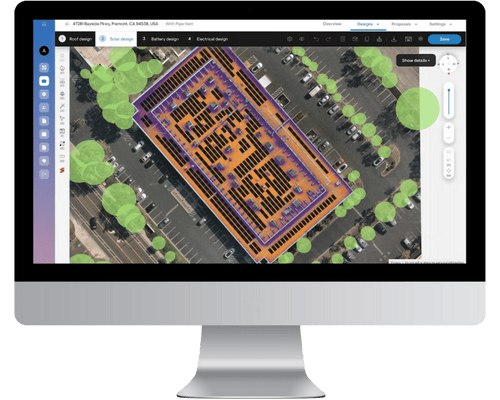
Design systems remotely and present them professionally – that’s Solargraf’s strength. The software enables roof layouts, system sizing, and customer-ready proposals in one workflow. It’s especially useful for teams that prioritize speed and visual presentation in the sales phase.
By combining technical precision with fast and flexible sales processes, Solargraf helps solar companies present their solutions clearly, demonstrate real value to customers, and move confidently from proposal to signed agreement.
Advantages of Solargraf
- Remote design tools
- Proposal generation features
- Cloud-based platform
Disadvantages of Solargraf
- Less focused on German-specific requirements
- Limited full ERP functionality
7. Leadaro: Smart lead qualification for installers among PV*SOL alternatives

Leadaro focuses on digital lead capture and structured qualification processes. It helps solar companies pre-filter inquiries and automate parts of the sales journey. The goal is simple: better conversion and more efficient communication.
By guiding potential customers through smart forms and automated questions, installers receive more complete and relevant project information from the start. This reduces back-and-forth communication and allows sales teams to prioritize high-quality leads. As a result, companies can respond faster and use their sales resources more efficiently.
Advantages of Leadaro
- Lead qualification tools
- Automated customer journey features
- Sales process optimization
Disadvantages of Leadaro
- No technical PV planning functionality
- Not a project management system
8. Solarstream: PV*SOL alternative for structured solar project workflows
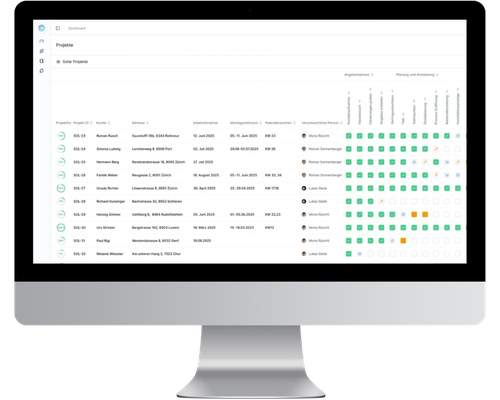
Solarstream is an Irish PV Solar Panel software company. It positions itself as a workflow-focused solution for solar companies. It supports CRM and project tracking to keep installations structured and transparent. If your main challenge is keeping overview across projects and teams, this software focuses on operational clarity.
Advantages of Solarstream
- CRM and workflow tools
- Cloud-based solution
- Installer-oriented positioning
Disadvantages of Solarstream
- Limited technical calculation tools
- Smaller market presence compared to established brands
9. SMA Sunny Design: Free PV planning software
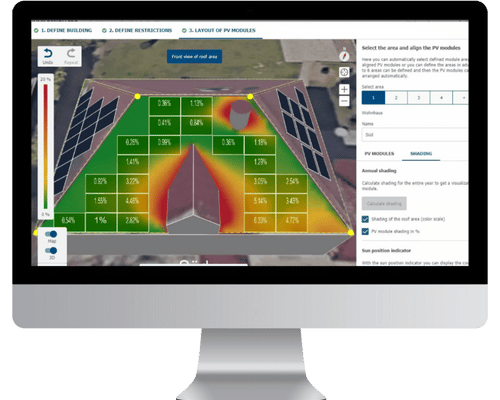
Sunny Design is a free design application provided by SMA, one of the world’s leading solar inverter manufacturers from Germany. It can incorporate battery storage or even consumption devices to analyze self-consumption scenarios. It supports installers in designing systems compatible with SMA components. If you already work with SMA products, it helps ensure technical compatibility during early planning stages.
Advantages of Sunny Design
- Free to use
- Reliable inverter configuration
- It can automatically suggest the optimal inverter and string configuration
Disadvantages of Sunny Design
- Focused mostly on SMA ecosystem
- Limited shading and financial simulation depth
- No project tracking and scheduling integration
10. Solar-Planit: Practical roof layout planning
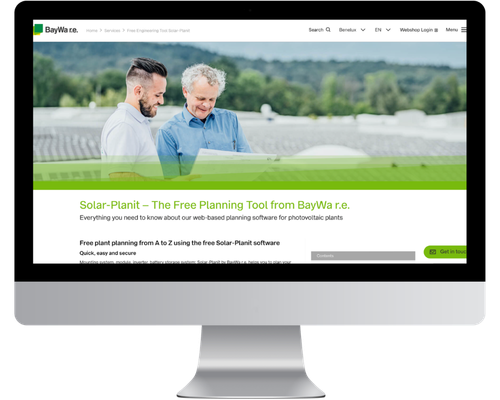
Solar-Planit is a cloud-based planning tool connected to BayWa r.e.’s product portfolio. Installers can design roof layouts and select components directly within the platform.
It supports efficient preparation of PV projects, especially when sourcing through BayWa. The platform is designed to streamline early project phases and help installers move more smoothly from layout planning to material ordering.
Advantages of Solar-Planit
- Integrated product database
- Roof layout tools
- Connected to supplier ecosystem
Disadvantages of Solar-Planit
- Linked to BayWa product structure
- Limited business process management features
To explore other markets, read more:
10 best solar design software in 2026
Top 10 powerful Solar Monkey alternatives for installers in 2026
Why OpusFlow stands out among PV*SOL alternatives
OpusFlow connects the entire workflow: from the first lead to the final invoice and aftersales. Instead of switching between software systems, your team works in one structured environment. This reduces manual work, lowers the risk of errors, and creates more transparency across departments.
Book a free demo with OpusFlow and see how you can simplify your processes and grow your installation business with one connected platform.